 EN
EN
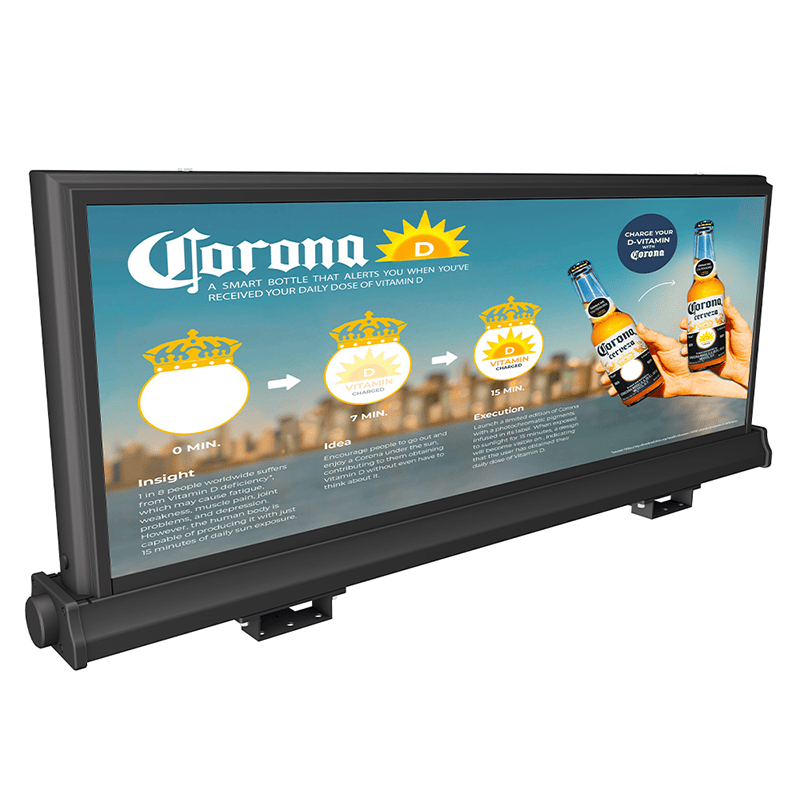
Lower Costs and Higher Long-Term ROI with Taxi LED Displays
Comparing Upfront and Operational Costs: Taxi LED Displays vs Traditional Billboards
Installing taxi LED screens actually costs around 65 percent less compared to those old school billboards, plus there's no need to pay extra for good spots on busy streets. The upfront cost for the equipment typically runs about twelve thousand dollars per car, but most operators find they can get their money back in just under eighteen months thanks to how advertisers split profits with them. Traditional static billboards tell a different story though. They come with all sorts of recurring bills including printing costs that range from eight hundred to one thousand two hundred dollars every month just for replacing worn out vinyls. And let's not forget about fixing damage from bad weather too. These repair costs alone eat up roughly twenty three percent of what companies spend each year running their billboard operations according to data from Outdoor Advertising Association released last year.
Cost Efficiency and ROI of Taxi Advertising Over 6- and 12-Month Campaigns
Running a taxi LED campaign for twelve months gives advertisers around $4.20 return for every dollar invested, which beats the $1.80 typically seen from traditional static billboards. The real advantage comes from being able to schedule ads during those busy morning and evening rush hours when people actually see them, instead of paying full price all day long for something nobody notices at 3am. When it comes down to cost per thousand impressions, taxi LEDs sit at about $0.15 while standard billboards clock in around $2.50. This means big name companies can shift nearly 37% of what they spend on outdoor advertising towards these moving vehicles, getting much better value for their marketing dollars without breaking the bank.
Long-Term Brand Exposure with Lower Maintenance and Production Expenses
Taxi LEDs eliminate recurring vinyl printing and manual installation costs. With a 100,000-hour lifespan—over 10 years at 8 hours daily use—they reduce replacement cycles by four times compared to backlit billboards. Remote content updates save $18,000 annually in labor for multi-city campaigns, while geotagged performance data enables real-time creative optimization.
Case Study: National Retail Chain Reduces CPM by 42% Using Mobile LED Fleets
One major home goods chain decided to swap out those old static billboards for something different altogether. They installed around 150 LED screens on taxis throughout six big cities instead of keeping just 30 traditional boards. The GPS tracking revealed something pretty impressive - these moving ads were hitting about 12.1 million eyes each month, which is triple what they saw before with regular billboards. When they started showing ads at specific times of day based on traffic patterns, things got even better. The money spent to get someone into a store went down quite a bit too, dropping from $3.80 all the way to $2.20 per customer walk-in. And people actually remembered seeing those taxi ads more often than the old style ones. Exit interviews showed that nearly two thirds (68%) could recall seeing them compared to only about a quarter (29%) who remembered the stationary billboards.

Dynamic Digital Content Boosts Engagement and Message Recall
Dynamic Content Rotation and Real-Time Ad Updates for Timely Messaging
Taxi LED displays allow advertisers to rotate promotions, event alerts, and seasonal offers throughout the day without manual intervention. This adaptability ensures messages align with commuter behavior—morning coffee specials during rush hour or dinner deals in evening gridlock—increasing relevance and response.
Real-Time Updates and Remote Management Reduce Campaign Lag
Operators can update content across entire taxi fleets in under 15 minutes via cloud-based platforms. This eliminates the delays inherent in traditional billboards, where brands waste up to 17% of campaign budgets waiting for printed materials to be shipped and installed.
Precise Targeting and Geo-Triggered Campaigns Enhance Relevance
Mobility and Urban Coverage of Taxi LED Displays Surpass Fixed-Location Billboards
LED screens on taxis serve as moving ad spaces that hit about 14 times more daily viewing spots compared to regular static billboards according to the Outdoor Advertising Trends report from 2023. Regular signs are stuck at certain crossroads while taxi cabs just naturally drive past office areas, malls, and places where events happen. The fact that these vehicles keep moving means advertisements get shown across over a dozen busy locations each day all without needing special routes or extra money spent on getting there.
GPS-Targeted Mobile Advertising in Urban Areas Using Geofencing Technology
Taxi LED displays these days rely on geofencing technology that kicks in location-based advertisements whenever cabs roll into specific zones. According to the latest Location Marketing Report from 2024, businesses that utilize GPS activated content see about 76 percent better engagement rates because drivers get shown deals right next to where those offers actually matter - like nearby shops, big events happening downtown, or even across town from competitors' locations. The good news for marketers? They can plan ahead through online control panels to have their messages pop up at peak times or special occasions throughout the city.
Targeted Advertising Using GPS and Geofencing for Event-Based Promotions
When big games happen or festivals roll around, taxis parked near event locations often change their LED screens to show sponsor advertisements or promote tickets. This kind of timing works better because it matches what people actually want at those moments, cutting down on wasted ad views. Most folks just don't pay attention to regular billboards anyway according to some research from Digital Advertising Consortium back in 2023, which found about 8 out of 10 consumers tune out standard outdoor ads. Companies that target messages based on location see much better results too. Their discount codes within specific geographic areas get redeemed roughly 2.3 times more frequently than when they run similar promotions across entire cities.
FAQ
What is the cost of installing taxi LED displays compared to traditional billboards?
Installing taxi LED screens is about 65% cheaper compared to traditional billboards, with equipment costs around $12,000 per car and a potential ROI within 18 months.
How does the ROI of taxi LED advertising compare over 6- and 12-month campaigns?
Taxi LED campaigns can offer $4.20 return per dollar invested over a 12-month period, significantly higher than the $1.80 typical of static billboards.
What are the advantages of using GPS and geofencing technology in taxi LED advertising?
GPS and geofencing enable targeted, location-based advertisements that result in a 76% increase in engagement rates due to more relevant ad placement.
How do taxi LED displays contribute to brand exposure and cost efficiency?
Taxi LEDs not only reduce recurring costs, such as vinyl printing, but also allow for real-time content updates, optimizing brand exposure and decreasing maintenance expenses.
Table of Contents
-
Lower Costs and Higher Long-Term ROI with Taxi LED Displays
- Comparing Upfront and Operational Costs: Taxi LED Displays vs Traditional Billboards
- Cost Efficiency and ROI of Taxi Advertising Over 6- and 12-Month Campaigns
- Long-Term Brand Exposure with Lower Maintenance and Production Expenses
- Case Study: National Retail Chain Reduces CPM by 42% Using Mobile LED Fleets
- Dynamic Digital Content Boosts Engagement and Message Recall
- Precise Targeting and Geo-Triggered Campaigns Enhance Relevance
-
FAQ
- What is the cost of installing taxi LED displays compared to traditional billboards?
- How does the ROI of taxi LED advertising compare over 6- and 12-month campaigns?
- What are the advantages of using GPS and geofencing technology in taxi LED advertising?
- How do taxi LED displays contribute to brand exposure and cost efficiency?