
 EN
EN
Core Architecture of Vehicle-Mounted LED Screen Control Systems
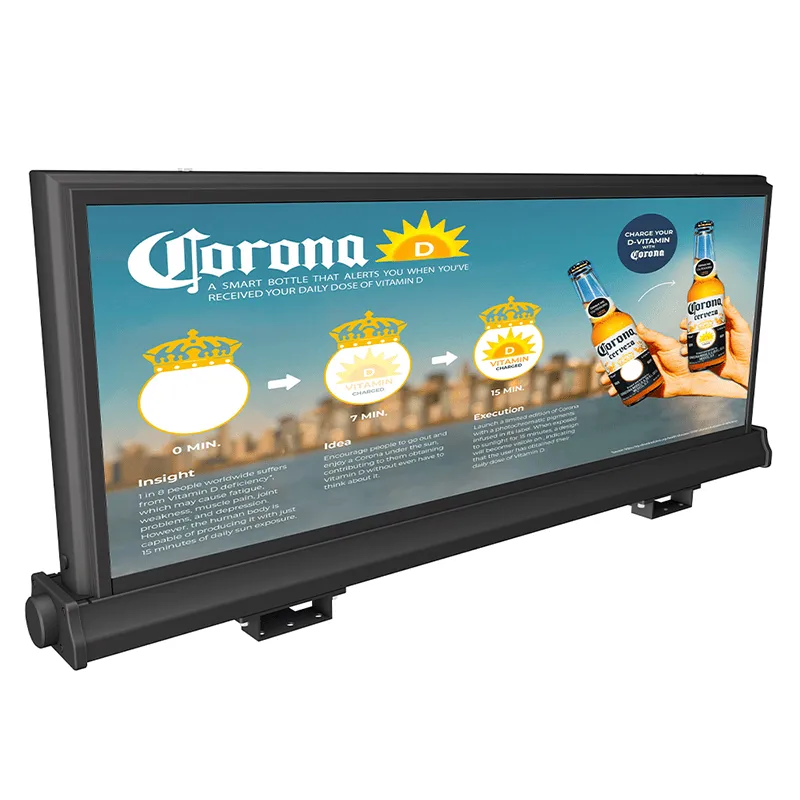
Hardware Stack: LED Modules, Embedded Control Cards, and Automotive-Grade Power Management
LED screens mounted on vehicles depend on specialized hardware designed specifically for cars and trucks. These IP65 rated LED modules contain all the necessary components including pixel arrays and driver circuits inside cases that resist vibrations, keeping out water and dirt that would otherwise damage them. The brains behind these displays are automotive grade control boards running on Arm Cortex processors, which handle content processing with response times under 1 millisecond. They synchronize multiple displays across different parts of the vehicle too, working reliably even when temperatures drop below freezing or rise above body heat levels. When it comes to power, these systems take whatever electricity comes from the vehicle's battery (usually 12 volts or sometimes 24 volts direct current) and convert it down to steady 5 volts with over 90 percent efficiency. Special protections against voltage spikes and sudden changes help keep everything running smoothly right after starting up the engine. For staying cool, manufacturers use aluminum heat sinks along with smart current controls that actually reduce failures compared to regular displays used in moving vehicles by around 40 percent according to field tests.
Communication Backbone: CAN Bus Integration and Dual-Protocol Support (CAN + RS485)
The system relies on protocols specifically designed for cars to ensure reliable data transfer that isn't affected by random noise. CAN Bus forms the main framework here, allowing commands to get distributed instantly throughout the vehicle network. It comes with features that catch errors automatically and prioritize messages when something important needs attention right away. We've got two different protocols working together in practice. CAN takes care of all the basic vehicle functions like monitoring speed, engine revolutions per minute, and whether the engine is running or not. Meanwhile, RS485 lets modules talk to each other in a chain configuration, which works great for longer distances up to around 1200 meters. What makes RS485 stand out is how it keeps signals clean even when there's lots of electromagnetic interference around, delivering data with almost no mistakes at speeds up to 10 megabits per second. For physical connections, we use shielded cables with special waterproof connectors rated for harsh environments. Automotive quality isolation transformers help prevent electrical problems from happening between different parts of the system. All these design choices result in display synchronization differences of less than half a frame, even when driving at high speeds on highways.
Real-Time Synchronization Challenges for Vehicle-Mounted LED Screens
Latency Constraints and Frame Consistency Across Moving Vehicles
Keeping end-to-end latency below 50 milliseconds helps avoid motion blur and keeps frames aligned properly across those multi-panel displays when moving at speed. For example, at around 60 kilometers per hour, even a 100 millisecond lag starts causing noticeable misalignment between panels. Smart systems fight back against this issue by employing predictive timing algorithms. These adjust how images are rendered based on what's happening right now with acceleration levels and position data from GPS. They also account for problems like cellular network delays and GPS signal drift. The result? Displays stay looking good visually even when signals drop out or there are sudden stops in movement.
Thermal, Vibration, and EMI Resilience in Compact Automotive Form Factors
When mounting displays inside vehicles, they face some serious challenges. Temperatures can spike above 85 degrees Celsius near engine compartments, there are constant vibrations between 5 to 15 Hz from rough roads, plus electromagnetic interference coming from ignition systems and alternators. Good design addresses these issues head on. Shock absorbing mounts that meet MIL-STD-810H standards help protect against impacts, while conformal coatings rated for automotive use shield components from harsh environments. Proper EMI shielding cuts down signal problems by around 90 percent when compared to regular commercial products. Thermal management systems keep things running smoothly even after long periods of operation, which is why many installations maintain nearly 99.95% reliability in hot tropical regions and areas filled with radio frequency noise from industrial equipment.
Evolution Toward Intelligent Edge Integration in Vehicle-Mounted LED Screens
From Standalone Controllers to Linux-Based Edge Gateways with OTA Capability
Vehicle LED systems today are no longer just simple controllers but actually run on Linux based edge gateways now. These smart boxes handle all sorts of stuff right there on the vehicle itself, like sending out emergency warnings or running diagnostics checks, which means they don't need to rely so much on the cloud anymore and things happen faster too. The big plus is these OTA updates let companies push new software fixes and update display content throughout entire fleets without anyone having to climb under the hood somewhere. Some folks in the industry say this cuts down maintenance expenses roughly around 30 percent compared to old fashioned manual updates. Most modern gateways use containerized Linux setups that offer better protection against security threats and make it easier to install different apps as needed. Still, manufacturers have to keep those rugged automotive standards intact when designing them. Things like how well they handle heat, resist vibrations from roads, and block electromagnetic interference are still super important considerations. What we're seeing here is basically turning those boring static signs into interactive communication hubs that work hand in hand with fleet management systems across cities.
Deployment Validation: Case Study of Municipal Bus Fleet Integration
When they installed these new systems on 240 city buses throughout the busy downtown area, it was actually tested in real world conditions, not just lab settings. The LED screens outside the buses got passengers looking at them 18 percent more often because people could see where their stop was coming up and get important safety messages too. Even during rush hour when the roads were shaking pretty hard (around 2.5g), the timing stayed spot on within 30 milliseconds. They used special materials originally designed for planes to keep the colors looking good even when it gets really hot out there, around 55 degrees Celsius all day long. Each bus saves about 790 kilowatt hours every year compared to old school displays, which helps cities meet those green targets they set for themselves. What we've seen here shows that well built LED technology isn't just another gadget addition but something that really boosts efficiency across entire transportation networks and smart city projects worldwide.
FAQ
What are the main components of vehicle-mounted LED screens?
The main components include IP65 rated LED modules that resist vibrations, automotive-grade control boards with Arm Cortex processors, and power management systems that efficiently convert vehicle battery electricity to the required voltage.
How do vehicle-mounted LED screens handle communication?
These systems primarily use CAN Bus for quick and reliable data transfer within the vehicle and support RS485 for long-distance communication between modules.
How do these LED screens achieve real-time synchronization?
Synchronization is achieved by keeping end-to-end latency below 50 milliseconds and using predictive timing algorithms to adapt to real-time conditions and potential signal delays.
Can vehicle-mounted LED screens operate in harsh conditions?
Yes, they are designed to withstand high temperatures, vibrations, and electromagnetic interference by incorporating shock-absorbing mounts, conformal coatings, proper EMI shielding, and thermal management systems.
What advancements have been made in LED screen technology for vehicles?
Modern systems now use Linux-based edge gateways with OTA capabilities, reducing reliance on cloud systems and enabling efficient updates and diagnostics directly on the vehicle.
How have these screens been validated in real-world settings?
A case study showed successful deployment on 240 city buses, enhancing passenger visibility and saving energy while maintaining operational efficiency even under challenging conditions.
Table of Contents
- Core Architecture of Vehicle-Mounted LED Screen Control Systems
- Real-Time Synchronization Challenges for Vehicle-Mounted LED Screens
- Evolution Toward Intelligent Edge Integration in Vehicle-Mounted LED Screens
- Deployment Validation: Case Study of Municipal Bus Fleet Integration
-
FAQ
- What are the main components of vehicle-mounted LED screens?
- How do vehicle-mounted LED screens handle communication?
- How do these LED screens achieve real-time synchronization?
- Can vehicle-mounted LED screens operate in harsh conditions?
- What advancements have been made in LED screen technology for vehicles?
- How have these screens been validated in real-world settings?