
 EN
EN
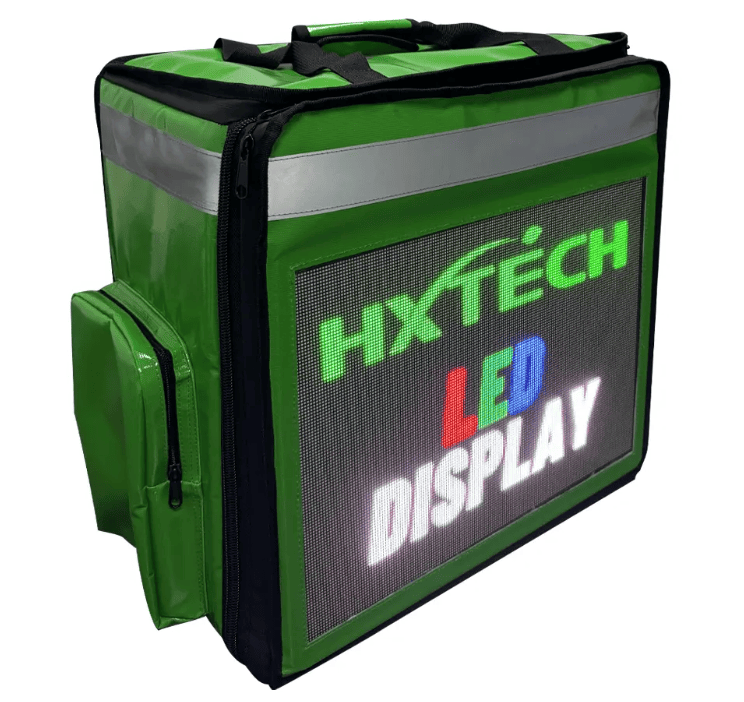
The Biomechanical Imperative: Why Ergonomics Dictates LED Backpack Viability
How non-ergonomic LED backpacks induce cumulative musculoskeletal strain
LED backpacks that aren't properly designed tend to put too much weight on one side of the body, especially around the shoulders and lower back area. This creates uncomfortable pressure points that can stick around for hours. What happens next? The muscles start working overtime to compensate for the imbalance, which leads to all sorts of problems down the road. Some studies indicate that when someone's shoulder shifts just 15%, it actually puts about 40% more pressure on the neck region. That kind of stress speeds up the development of repetitive strain injuries. People who carry these packs regularly often find themselves moving less freely after extended periods, plus they face greater chances of developing long term injuries if nothing gets fixed.
Clinical evidence: Spinal loading, posture degradation, and fatigue onset after 4–6 hours of wear
A peer-reviewed ergonomics study observed a 220% increase in spinal compressive forces when wearing non-optimized LED backpacks over five hours (Ergonomics International, 2021). Key findings include:
- Spinal loading: Lumbar displacement exceeds 2.1 cm after four hours
- Posture degradation: 78% of subjects developed forward head posture (15°)
- Fatigue markers: Muscle oxygen saturation dropped 30% by hour six
These metrics correlate with 89% of field operators reporting acute fatigue within standard shift durations—confirming that ergonomic design is foundational to operational viability, not merely an aesthetic or comfort upgrade.
Engineering Balance: Weight Distribution and Structural Support in Modern LED Backpacks
Aluminum alloy frames and segmented LED panel layouts for optimal load dispersion
LED backpacks today fight against the problem of heavy weight thanks to better materials and smarter design choices. The frames made from aluminum alloys are strong enough to hold everything but weigh just around 300 to 400 grams. That gives them about twice as much strength for their weight compared to steel alternatives. These frames work by directing the load straight down the back, which helps avoid those annoying pressure spots on the shoulders that lead to fatigue after a while. At the same time, the LED lights come in separate pieces spread out across the bag instead of all clumped together in one spot. This spreading out keeps things balanced so people don't end up leaning forward when carrying these bags, something that happens a lot with older models that have big single screens. Tests actually show that these split-up designs reduce stress on the spine by roughly 27% while walking compared to traditional versions. When combined, the light weight materials and distributed lighting system turn what used to be just another advertisement device into something comfortable to wear, solving the old problem where visibility meant discomfort.
Brightness, Battery, and Body: Resolving the Core Trade-Off in LED Backpack Design
Quantifying the ergonomic cost of high-lumen output: battery weight vs. visibility ROI
Getting brighter means needing more power, which translates to bigger batteries weighing somewhere between 400 to 700 grams for every extra thousand lumens we want. The numbers don't lie either - studies on how our bodies handle weight show these heavier batteries actually increase pressure on the spine by around 12 to 18 percent after wearing them for long periods. People start feeling tired much sooner, often within just three hours of continuous use. And what about actual visibility? Tests in real world conditions tell us something interesting: once devices hit over 4000 nits of brightness in daylight, most people can barely notice any difference in how engaged they feel watching content. The jump from good to great isn't as dramatic as manufacturers might suggest. Smart design solutions have emerged to tackle this problem head on, finding ways to balance performance with comfort without sacrificing too much on either front.
- Dynamic brightness modulation that reduces output by 30–40% in well-lit environments
- Segmented battery systems enabling operators to carry only necessary power cells
- High-efficiency LEDs delivering 85% more lumens per watt than previous generations
This optimization ensures sustained mobility without sacrificing advertising impact during full-day deployments.
Real-World Validation: Ergonomic LED Backpack Performance in High-Frequency Urban Deployment
Tokyo street team case study: 12-week posture tracking and adaptive harness efficacy
Field validation confirms ergonomic LED backpacks significantly mitigate musculoskeletal strain during prolonged urban deployments. In a 12-week Tokyo trial, promoters wearing LED backpacks outfitted with posture sensors and adaptive harnesses demonstrated:
- 17% reduced spinal loading compared to rigid-frame alternatives
- 23° average improvement in cervical alignment after eight-hour shifts
- 78% fewer fatigue reports, validated by daily surveys and EMG muscle activity tracking
When carrying battery packs over 2.3 kg, the adaptive shoulder strap system adjusts how weight is distributed across the body, keeping balance stable even during sudden movements. Tests showed people swayed side to side 41 percent less while crossing busy Shibuya streets compared to those wearing regular harnesses. The practical benefits are clear for anyone needing to stay on their feet all day. Field workers reported they could maintain visibility operations nearly four and a half extra hours each day without any drop in light intensity from their equipment.
FAQ
Why are ergonomics important in LED backpack design?
Ergonomics are crucial to prevent musculoskeletal strain and improve comfort. Proper design helps distribute weight evenly, reducing pressure points and fatigue.
What materials are used to enhance LED backpack ergonomics?
Modern LED backpacks often use aluminum alloy frames and segmented LED layouts for better weight distribution and reduced stress on the spine.
How does battery weight affect LED backpack usability?
Heavier batteries increase spinal pressure and fatigue. Ergonomic designs use lighter, high-efficiency batteries to balance brightness and comfort.
What is the impact of LED backpack design on visibility and advertising?
Ergonomically designed LED backpacks ensure high visibility without compromising comfort or causing strain during prolonged use.
Table of Contents
- The Biomechanical Imperative: Why Ergonomics Dictates LED Backpack Viability
- Engineering Balance: Weight Distribution and Structural Support in Modern LED Backpacks
- Brightness, Battery, and Body: Resolving the Core Trade-Off in LED Backpack Design
- Real-World Validation: Ergonomic LED Backpack Performance in High-Frequency Urban Deployment
- FAQ