
 EN
EN
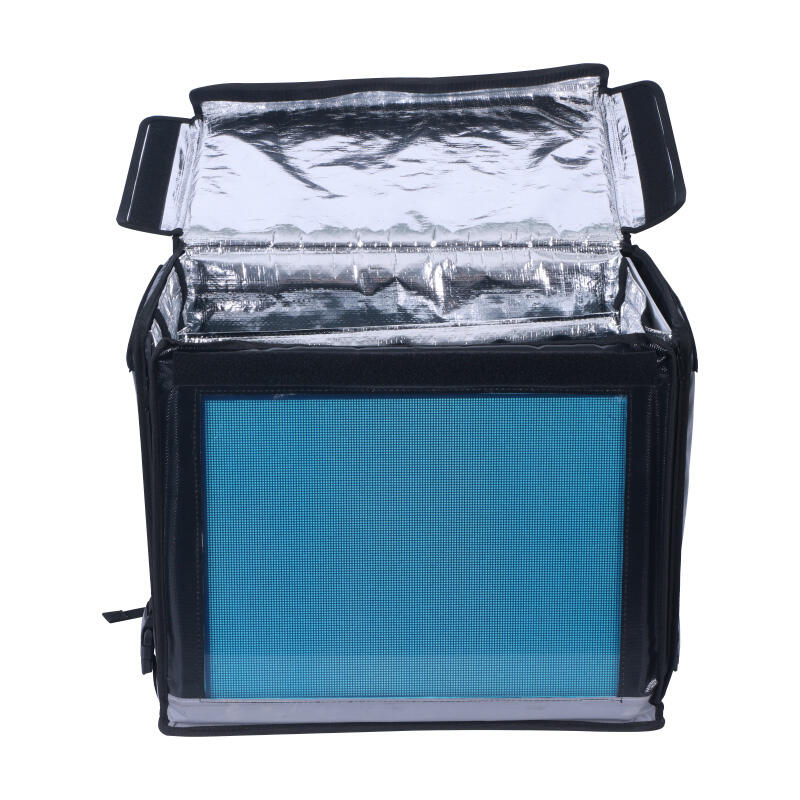
Core Housing Materials Compared: Aluminum, Plastic, and Hybrid Solutions
Thermal Management and Structural Rigidity for Portable LED Display Performance
Aluminum is king in this market because it handles heat so well, which stops LEDs from breaking down over time. Research published in the Electronic Thermal Management Review back in 2023 found that screens using aluminum casings stay about 15 degrees cooler when running nonstop compared to their plastic counterparts. That temperature difference actually translates into diodes lasting roughly 30 percent longer before needing replacement. From a structural standpoint, aluminum just doesn't bend or warp like plastics do when modules get moved around, keeping those tiny pixels lined up properly. Sure, plastic materials can cut down on weight by about 40%, but most manufacturers won't touch them for anything serious where brightness matters since they simply can't handle the heat. The smart compromise these days seems to be combining aluminum cooling systems inside stronger plastic frames. This approach works wonders for stage lighting equipment that gets packed up and shipped out constantly between gigs.
Weight, Cost, and Production Scalability in Commercial Portable LED Display Manufacturing
Material selection directly impacts logistics and margins:
- Plastic injection molding enables complex geometries at $12–$18 per unit, accelerating mass production
- Aluminum extrusion costs 60% more initially but reduces replacement rates by 3.5× (AVIXA 2022 durability metrics)
- Hybrid composites bridge gaps with tooling flexibility but require specialized assembly
Plastic suits budget rental fleets, while aluminum's lifecycle cost advantage proves superior for permanent installations. Scaling production favors plastic for volumes above 5,000 units annually; however, aluminum's recyclability aligns with emerging ESG mandates. Hybrid adoption grows 19% yearly as manufacturers seek modular designs compatible with automated assembly.
High-Performance Alternatives: Magnesium and Carbon Fiber for Portable LED Display Enclosures
Magnesium Die-Casting: Lightweight Strength and IP65 Compliance Realities
When compared to aluminum, magnesium alloys can cut down the weight of portable LED displays by around 33%, all while maintaining similar structural strength. This makes them much easier to carry around and significantly cuts down on shipping expenses. But there's a catch when it comes to getting that IP65 waterproof rating right. Manufacturers need to do really precise die casting work to get rid of those tiny air pockets that form at the joints during production. Thermal management is another area where magnesium falls short. Heat dissipates about 15% slower than with aluminum, so designers have to build special cooling channels into the system for brighter modules that run in environments hotter than 35 degrees Celsius. These considerations are crucial for anyone looking to balance performance with practicality in their display designs.
Carbon Fiber: UV Resistance, Vibration Damping, and Long-Term Durability for Outdoor Portable LED Display Use
Carbon fiber composites stand out when it comes to UV resistance. Tests show they keep about 98% of their tensile strength even after spending 5,000 hours under harsh weather conditions according to ASTM G154 standards. What's really interesting is how these materials dampen vibrations naturally, which helps prevent those annoying image distortions when transporting equipment on the move. When we look at structural performance, carbon fiber beats magnesium hands down. The weight to strength ratio is around 40% better than magnesium, so frames made from this stuff don't bend as much in big display setups. Research into composite durability suggests carbon fiber enclosures can last roughly 20 years near the coast without significant issues. Even when exposed to extreme temperature changes, there's almost no warping over time, making them ideal for tough environmental conditions.
Environmental Durability Testing and Real-World Validation for Portable LED Display Housings
IP65/IP67 Sealing Efficacy Across Material Types and Joint Design Strategies
Getting good ingress protection really depends on careful attention to how different materials meet each other. Aluminum cases often use machined grooves that hold silicone gaskets in place, which means failures happen less than 1% of the time when tested under static water conditions according to the latest IEC 60529 standards from 2023. When manufacturers combine plastic and aluminum parts, they can cut down overall weight by about 22%, but this approach creates problems because extra seals are needed at the connection points, making maintenance work more frequent over time. One big issue happens at cable entry points and where panels join together. The difference in pressure needed to compress metal surfaces (around 7 to 12 Newtons per square millimeter) versus plastic ones (only 3 to 5 N/mm) affects how well those seals actually work. For dust and water resistance to stay consistent even through temperature changes from minus 20 degrees Celsius all the way up to plus 50, the shape of the gasket matters a lot. A cross section width of at least 4 mm combined with a Shore A hardness rating between 45 and 55 seems to be the sweet spot for most applications.
Corrosion & Warping Field Data (2020–2024): Salt Fog, UV Exposure, and Thermal Cycling Results
Material performance diverges sharply under accelerated environmental stress testing:
| Test Type | Aluminum (6000-series) | Structural Plastics | Magnesium Alloy |
|---|---|---|---|
| Salt Spray (ASTM B117) | 0.1mm pitting after 1k hrs | Coating delamination <500hrs | 0.01mm pitting after 1.5k hrs |
| UV Exposure (ISO 4892) | No warping; 15% gloss loss | 3.2mm warping; 70% yellowness index | <1mm warping; 10% gloss loss |
| Thermal Cycling 100x | 0.3mm joint expansion | 1.8mm permanent deformation | 0.2mm reversible deformation |
Research on over 1,000 portable LED displays used along coastlines from 2020 through 2024 shows that magnesium alloy frames stay stable within about half a millimeter even when humidity jumps around 80%. The real surprise comes with aluminum components. When properly anodized (the Type III treatment), these parts didn't show any signs of corrosion after three whole years. But skip the treatment and nearly 11% of printed circuit boards started corroding inside their plastic casings. Speaking of materials issues, thermal expansion continues to be the biggest problem causing those annoying pixel shifts. Plastics just can't handle it in hot desert climates where temperatures swing back and forth by 55 degrees Celsius each day. We're seeing plastic enclosures fail at roughly four times the rate of metal alternatives under these extreme conditions.
FAQ
What are the main materials used for portable LED display enclosures?
Aluminum, plastic, magnesium, carbon fiber, and hybrid composites are the key materials discussed for portable LED display enclosures.
Why is aluminum favored for LED displays?
Aluminum is favored because it has excellent thermal management properties that keep displays cooler and extend diode lifespan.
How do hybrid composites benefit LED displays?
Hybrid composites offer a compromise between weight and thermal management, making them suitable for stage lighting equipment that necessitates frequent transport.
What advantages do magnesium alloys provide?
Magnesium alloys offer significant weight reduction while maintaining structural strength, but challenges exist in achieving waterproof ratings and efficient thermal management.
Why are carbon fiber composites suitable for outdoor use?
Carbon fiber provides UV resistance, vibration damping, and long-term durability, making it ideal for use in challenging outdoor environments.