
 EN
EN
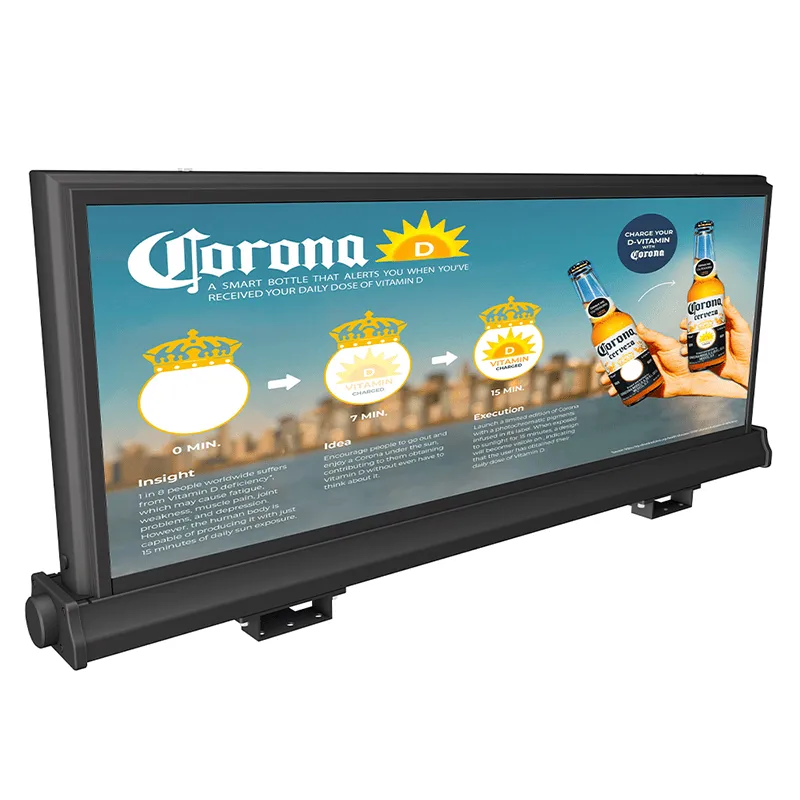
Car Roof LED Displays:Structural Integrity and Mounting Compatibility
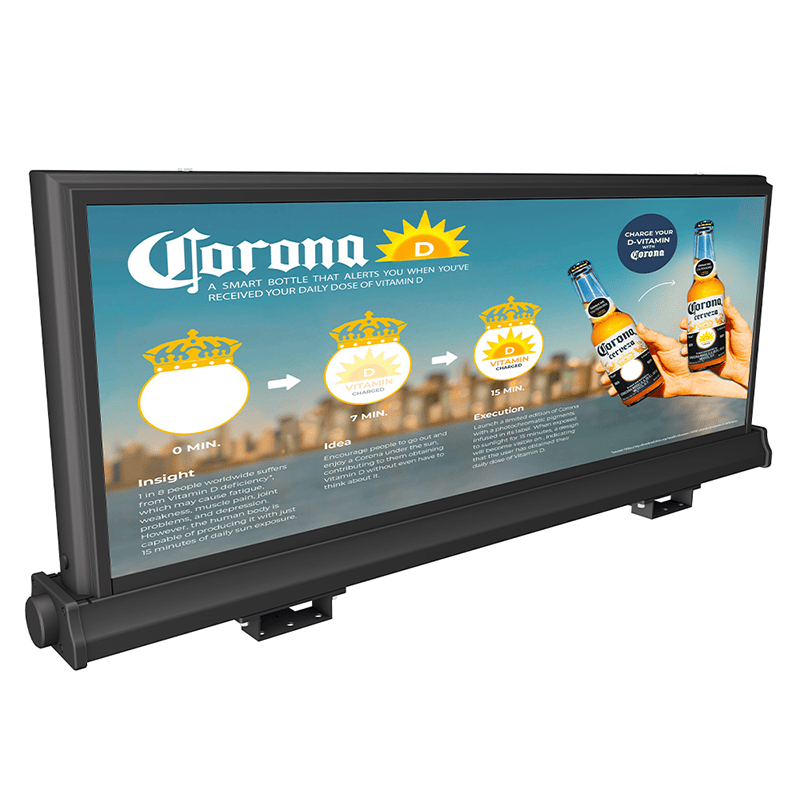
Roof Load Distribution and Chassis-Specific Mounting Requirements for Car Roof LED Displays
Getting the weight right on a vehicle's roof matters a lot for how it handles on the road. When stuff isn't properly balanced, the car just doesn't drive as well and parts wear out faster. The latest report from SME Mechanical Compatibility back in 2023 showed something interesting too about this topic. They found around 60 percent of problems with accessories actually come down to bad weight distribution across the roof area. Mounting hardware needs to take into account what kind of materials are used in different cars. For instance, aluminum bodies can't handle sideways forces quite as well as steel ones according to research published by SAE in 2022. That means we need special ways to spread out those forces when designing attachments. Good designers focus on brackets that let them shift weight towards stronger parts of the car like the main roof supports or sunroof frame structures instead of putting pressure on weaker spots such as where panels join together. Doing this helps reduce stress buildup and works better across all sorts of vehicles including sedans, SUVs, and crossovers with their varied roof shapes.
Mechanical Fixation Best Practices: Bolting, Adhesion, and Reinforcement Strategies
The best mechanical fix usually involves three parts working together primary bolts, some good adhesion, and smart reinforcement spots. Most shops stick with Grade 8.8 M10 bolts for main anchors these days. The torque setting matters quite a bit too it depends on how thick those roof panels are, around 15 to 20 Nm works for most regular cars. When it comes to sticking things together, two part epoxies beat silicone sealants hands down. Tests from last year's Automotive Adhesives Study showed they hold up way better after going through temperature changes, giving about triple the peel strength. Reinforcing areas means putting those 2mm aluminum plates underneath where things mount, spreading out the pressure so nothing gets stressed unevenly. Getting surfaces ready right before applying glue makes all the difference. Studies show blasting away old stuff with abrasives gives bonds almost 50% stronger than just cleaning with solvents. And when we test how things hold up against vibrations, this whole package keeps movement down to less than a tenth of a millimeter even at highway speeds.
Dynamic Stability Testing Under Real-World Conditions
Vibration and Micro-Movement Analysis Across Driving Environments
LED displays mounted on car roofs need to survive all sorts of shaking during testing, whether we're talking about city streets full of potholes or rough off-road trails. The accelerometer readings reveal tiny movements around 0.5mm building up over long trips, which isn't good news for those delicate electrical connections and important waterproof seals. Manufacturers test these displays against vibrations ranging from low rumble at 5Hz right up to high frequency shakes at 500Hz, mimicking everything from engine vibrations to how suspension systems react when hitting bumps. If there's no proper damping material in place, these constant little shakes will actually crack the solder joints inside the display after just about six months of normal driving. That's why field testing is still so crucial today. No matter how advanced our labs get, they simply can't match what happens in real life when drivers slam on brakes unexpectedly or hit curbs while parking.
Wind Load Resistance and Aerodynamic Stability at Highway Speeds
At speeds above 70 mph, car roof LED displays face wind pressures exceeding 650 Pa—comparable to hurricane-force gusts. Computational fluid dynamics (CFD) modeling optimizes casing geometry to minimize lift, while wind tunnel testing verifies aerodynamic stability. Key design features include:
- Leading-edge curvature, reducing drag by up to 40% versus flat panels
- Vortex generators, disrupting turbulent airflow behind the display
- Center-of-pressure alignment, preventing torque-induced mounting fatigue
Field tests confirm displays remain stable at 80 mph crosswinds, thanks to reinforced internal frames that channel stress away from mounting interfaces.
Long-Term Installation Firmness and Torque Retention
Keeping structures intact over time requires careful attention to how much torque stays in place. When parts are subjected to vibrations reaching around 20G in tough applications according to SAE standards, plus going through temperature swings from freezing cold (-40 degrees Celsius) all the way up to hot conditions (85C), the fasteners start to wear down. Research indicates that without proper maintenance, these systems can lose about 15% of their original tightness within just half a year, causing tiny movements at connection points that nobody wants to see. There are good ways to fight back though. Using special chemical lockers on threads helps keep more than 90% of the gripping power even after extreme heat changes. Prevailing torque nuts work similarly well against those annoying vibration issues that make bolts come loose. Checking the tightness regularly makes sense too. Most mechanics recommend looking at it every three thousand miles or so because when the remaining tension drops below seventy percent of what was originally set, there's a real danger of things coming apart while driving on highways. And don't forget about matching materials properly. If different metals touch each other without protection, they might corrode together in damp areas, which is one of the main reasons why torque levels drop off so quickly sometimes.
Environmental Durability and Thermal Stability Testing
Thermal Cycling Effects on Mounting Interfaces and Structural Reliability
The constant back and forth between -40 degrees Celsius and plus 85 degrees puts serious strain on how parts are mounted together. When materials expand at different rates, problems start happening. Aluminum mounts grow about 23 percent quicker than steel parts in the chassis. Over time this creates wear and tear on the joints, which means screws and bolts hold on about 40 percent less tightly after going through 500 temperature changes. The risk here is pretty obvious too. Components might actually come loose while vehicles are being driven on highways. To test all this without waiting decades, companies run accelerated tests where they switch temperatures every 90 minutes. These tests mimic what would happen over many years in just a few weeks. They help stop adhesives from breaking down and stop tiny cracks from forming that let water in and eventually ruin the product's reliability. Manufacturers know better than anyone what's at stake here. According to research from Ponemon Institute back in 2023, fixing faulty products after they reach customers costs around $740,000 on average. So thorough testing isn't just something nice to have anymore. It's absolutely essential if products need to work properly when they get out into the real world.
FAQ
Why is roof load distribution important for car roof LED displays?
Proper roof load distribution is crucial for car dynamics and durability. It ensures that the added weight from LED displays does not adversely affect handling or cause premature wear to vehicle components.
What materials are considered best for mounting car roof LED displays?
Steel is generally preferable over aluminum for mounting purposes due to its ability to handle lateral forces better. Mounts and brackets should ideally direct weight towards stronger vehicle structures to avoid stress on weaker points.
How do mechanical fixation practices ensure optimal mounting of LED displays?
Mechanical fixation involves using Grade 8.8 M10 bolts, adhesive epoxies, and reinforcement plates. These components work together to secure the displays while distributing pressure evenly to prevent structural failures.
What kind of testing is conducted to ensure the stability of roof-mounted LED displays?
Dynamic stability testing includes vibration analysis, wind load resistance simulations, and aerodynamic assessments, which are conducted both in the lab and under real-world conditions to mimic environmental stresses.
Table of Contents
- Dynamic Stability Testing Under Real-World Conditions
- Long-Term Installation Firmness and Torque Retention
- Environmental Durability and Thermal Stability Testing
-
FAQ
- Why is roof load distribution important for car roof LED displays?
- What materials are considered best for mounting car roof LED displays?
- How do mechanical fixation practices ensure optimal mounting of LED displays?
- What kind of testing is conducted to ensure the stability of roof-mounted LED displays?