 EN
EN
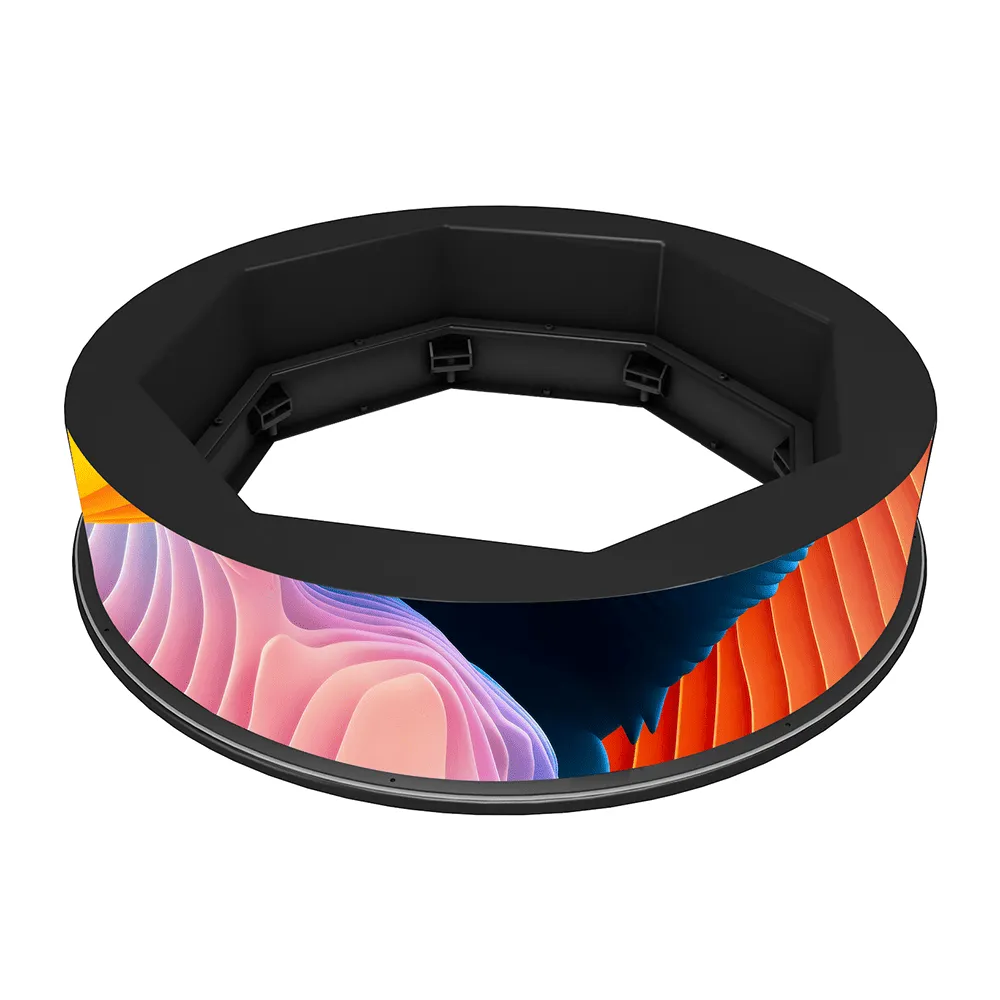
360 Car Top LED Displays:Load-Bearing Capacity and Vehicle Integration Limits
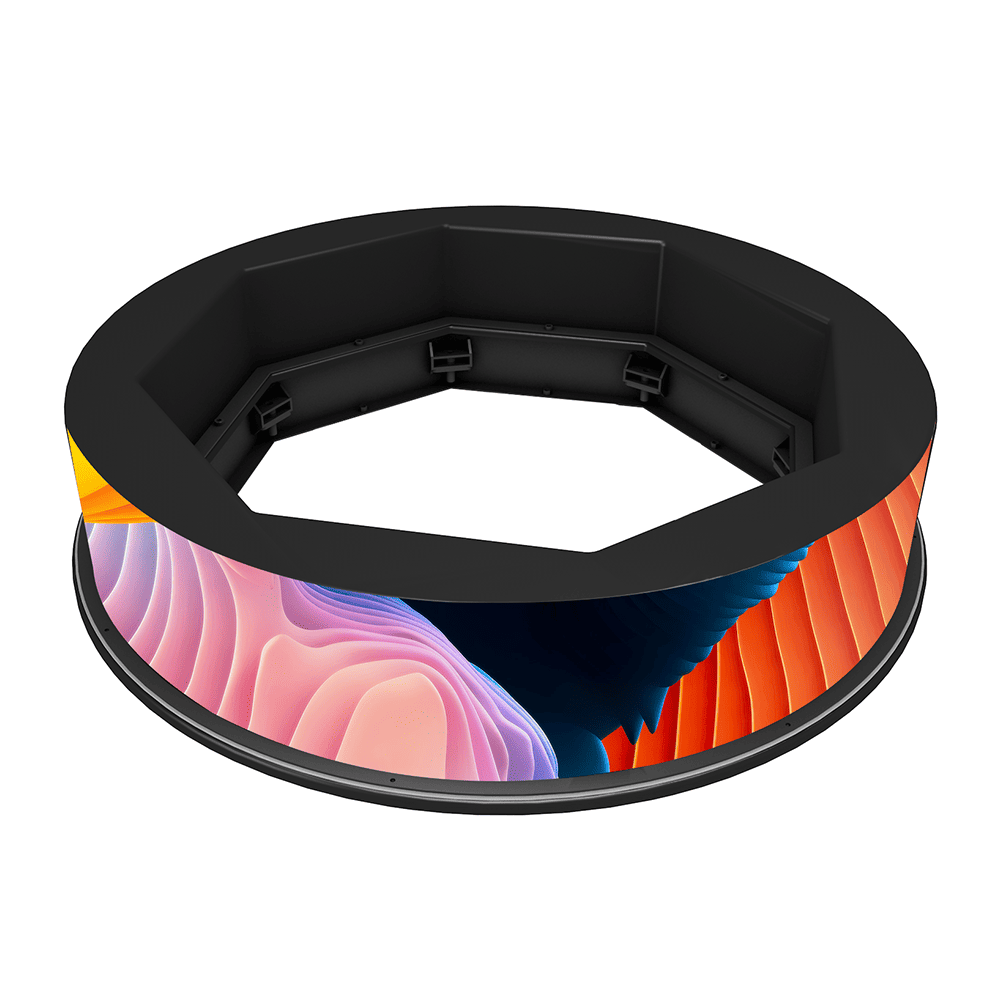
Static, Dynamic, and Wind-Induced Load Analysis for 360 Car Top LED Displays
360 Car Top LED Displays must withstand three primary force categories during operation:
- Static loads, driven by the display’s own mass
- Dynamic loads, induced during acceleration or braking (peaking at up to 2.5g)
- Wind-induced stresses, which rise exponentially above 60 km/h—especially given their drag coefficient (Cₓ ≈ 0.35)
Finite element analysis (FEA) confirms aluminum frames reduce wind-resistance stress by 28% compared to steel alternatives. Aerodynamic profiling further suppresses drag-induced vibration frequencies below 15 Hz—the threshold for dangerous mechanical resonance.
Weight Distribution, Center-of-Gravity Impact, and OEM Structural Tolerance Thresholds
Distributed mounting systems must constrain center-of-gravity shifts within these OEM tolerances. Carbon fiber reinforcements—certified to ISO 4586 Class A surface durability standards—cut base weight by up to 40% without sacrificing rigidity or long-term performance.
Environmental Durability and Thermal Performance
IP66 Certification, Shock Resistance, and Real-World Weather Validation
For 360 Car Top LED displays, IP66 certification simply cannot be ignored. This rating means they're completely protected from dust getting inside and can handle powerful water jets too, which makes all the difference when driving through heavy rains or going through those automatic car washes that seem to blast everything with pressure. When it comes to shock resistance, these displays undergo tests that simulate what happens during long drives on rough terrain. The goal? Make sure the tiny solder joints don't crack and the printed circuit boards stay intact even after months of bouncing around on unpaved roads. Top brands actually put their products through grueling field tests lasting about a year in some pretty harsh places like deserts where sand gets everywhere, coastal areas with salty air, and mountain regions with extreme temperature swings. They track how well the displays perform despite challenges like corrosion from sea salt, constant abrasion from fine sand particles, and temperature fluctuations ranging from freezing cold at -40 degrees Celsius to blistering heat up to 85 degrees Celsius.
Solar-Driven Thermal Management: Aluminum Cabinet Heat Dissipation in Mobile Environments
Mobile app installations face serious heat issues when sunlight hits LEDs, causing cabinets to run hotter than 49 degrees Celsius or about 120 Fahrenheit inside. Aluminum alloy cases beat out steel ones for cooling, getting rid of heat roughly 40 percent quicker thanks to built-in heat sinks and specially designed air flow paths. Using computational fluid dynamics models helps engineers tweak airflow patterns around power modules, cutting down on those pesky hot spots by nearly two thirds compared to older designs. The whole system works passively to keep vital parts well under manufacturer specs for operation temps, which means lights stay bright longer and LEDs last much better over time.
Mounting System Integrity and Vibration-Resistant Fastening
Bracket-to-Vehicle Interface: Fatigue Life Modeling and Anti-Loosening Solutions
The connection between brackets and vehicles plays a critical role in overall system safety, with how long it lasts under stress determining how long the whole setup works properly. Engineers use computer models based on finite element analysis to simulate what happens over many years of driving conditions, spotting potential problems before parts ever hit the road. To keep things secure, manufacturers implement several different approaches at once. They install strong bolts made from materials resistant to rust like stainless steel coated with zinc, make sure they're tightened exactly as specified by the car maker, apply special glue between threads, and sometimes add rubber mounts that soak up vibrations. All these combined help take the edge off sudden impacts, stop unwanted vibrations from getting worse, and keep everything tight even when temperatures swing wildly or roads get rough. This means fewer breakdowns down the line and better protection against parts coming loose unexpectedly.
Global Regulatory Compliance and Structural Certification Pathways
Meeting international regulatory requirements demands proactive, stage-gated planning—especially given divergent frameworks like EU ECE R65, US DOT FMVSS, and APAC-specific mandates. Successful compliance hinges on three coordinated actions:
- Conducting regional regulation analysis before finalizing mechanical and electrical architecture
- Securing structural certifications such as EN 12767 crashworthiness where required
- Validating environmental and mechanical performance—including IP66, vibration resistance, and EMC—through ISO/IEC 17025-accredited laboratories
Getting involved with notified bodies early on can save companies from having to do major redesigns later, especially when it comes to those tricky electromagnetic compatibility issues and making sure electrical systems are safe. For structural certification, manufacturers need solid documentation showing they've run load bearing tests, done wind tunnel experiments, and produced material reports that go beyond what's required by ISO 16750-3 standards for automotive environments. The latest figures from 2023 transport compliance studies suggest that going through the full certification process for automotive grade products usually adds around 18 to 24 weeks onto deployment timelines. That extra time is worth it though for many businesses looking to meet regulatory requirements while maintaining product quality.
FAQ
What is the significance of IP66 certification for 360 Car Top LED displays?
IP66 certification indicates complete protection from dust and powerful water jets, ensuring durability during heavy rains and automated car washes.
How do aluminum frames reduce wind-resistance stress compared to steel?
Finite Element Analysis (FEA) shows aluminum frames reduce wind-resistance stress by 28% due to better aerodynamic profiling.
Why is solar-driven thermal management important for LED displays?
Solar-driven thermal management helps avoid heat issues by dissipating heat more effectively, extending the life of LEDs and maintaining brightness.
What are the safety measures for mounting system integrity?
Safety measures include using rust-resistant bolts, applying glue between threads, and adding vibration-absorbing rubber mounts.