
 EN
EN
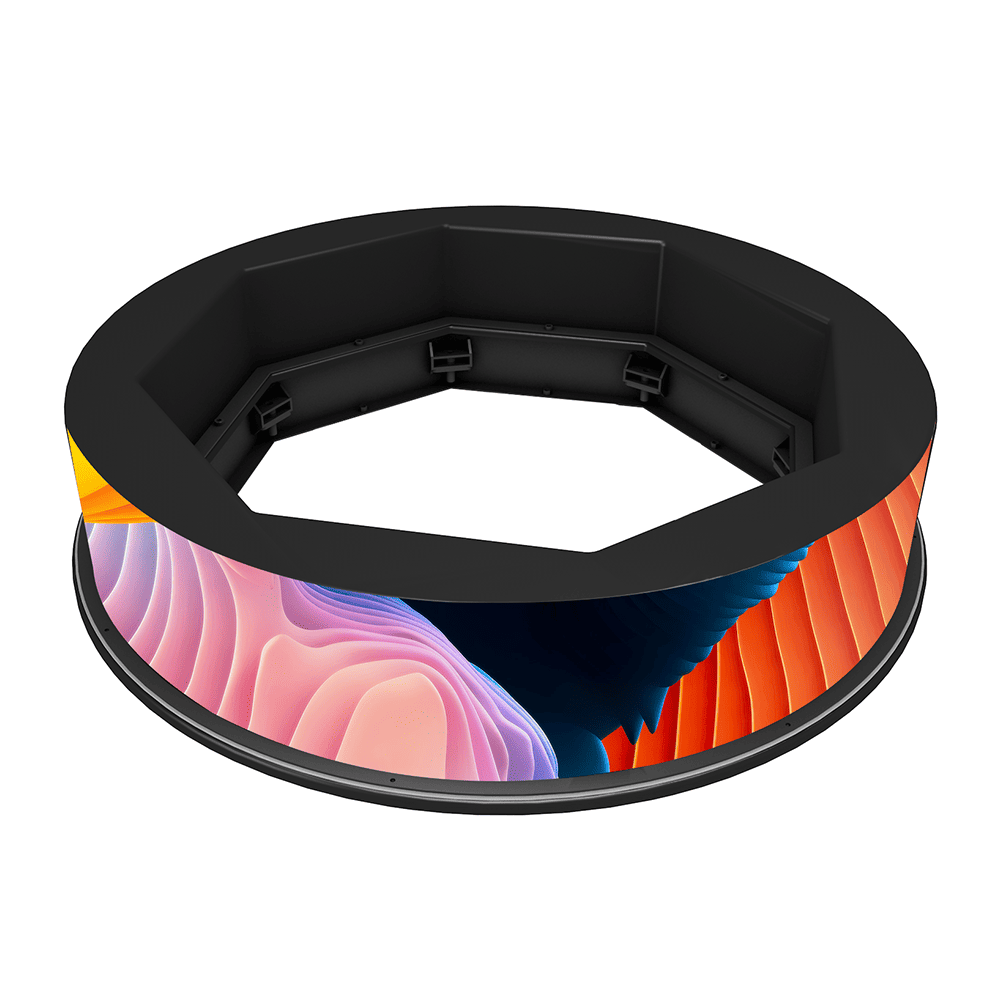
Taxi Top LED Displays as Smart City Communication Nodes
Integration of Taxi LED Displays with Smart City Technologies for Enhanced Urban Communication
Taxi roof LED screens are becoming important parts of smart city infrastructure these days. They connect to various IoT devices and city data systems so they can show things like public service messages, traffic updates, and emergency alerts all at once across multiple vehicles. The latest Smart Cities Index from 2023 shows some interesting results too. Cities that implemented these connected LED networks saw their emergency response times drop by around 18%. That's pretty impressive when you think about how quickly information gets out during crises situations.
IoT-Enabled Digital Displays as Nodes in Urban Communication Infrastructure
These displays mounted on moving taxis create what's basically a network spread across the city, gathering all sorts of environmental information through built-in sensors. The taxis send important stuff like how clean the air is (specifically PM2.5 particles), noise levels in different areas, and how many people are walking around at any given time to the main city control centers. According to studies, when cities install these multi-use systems instead of just using stationary sensors, they get about 27 percent more detailed data for planning purposes. What makes this system really valuable is that it captures details from street level that traditional fixed sensors miss completely. This helps improve traffic management and allows emergency services to respond better to incidents happening in real time throughout the city.
Digital Out-of-Home (DOOH) Advertising in Smart Cities: Bridging Mobility and Marketing
Taxi mounted LED screens offer something special for advertisers because they move around the city. These displays can show different ads based on what time it is, where people are going, and even what events are happening nearby. Think about seeing a restaurant ad right after work hours as traffic builds up, or getting notified about sales when driving past shopping districts. Some cities have started backing these digital out of home networks pretty seriously lately. Many of them set aside roughly a third to almost half of screen space for things like transit alerts and emergency information alongside regular commercials. The mix works surprisingly well actually. Studies indicate folks remember these mixed content ads about 22 percent better than traditional ones, which means businesses still get their message across while communities benefit from useful information too.
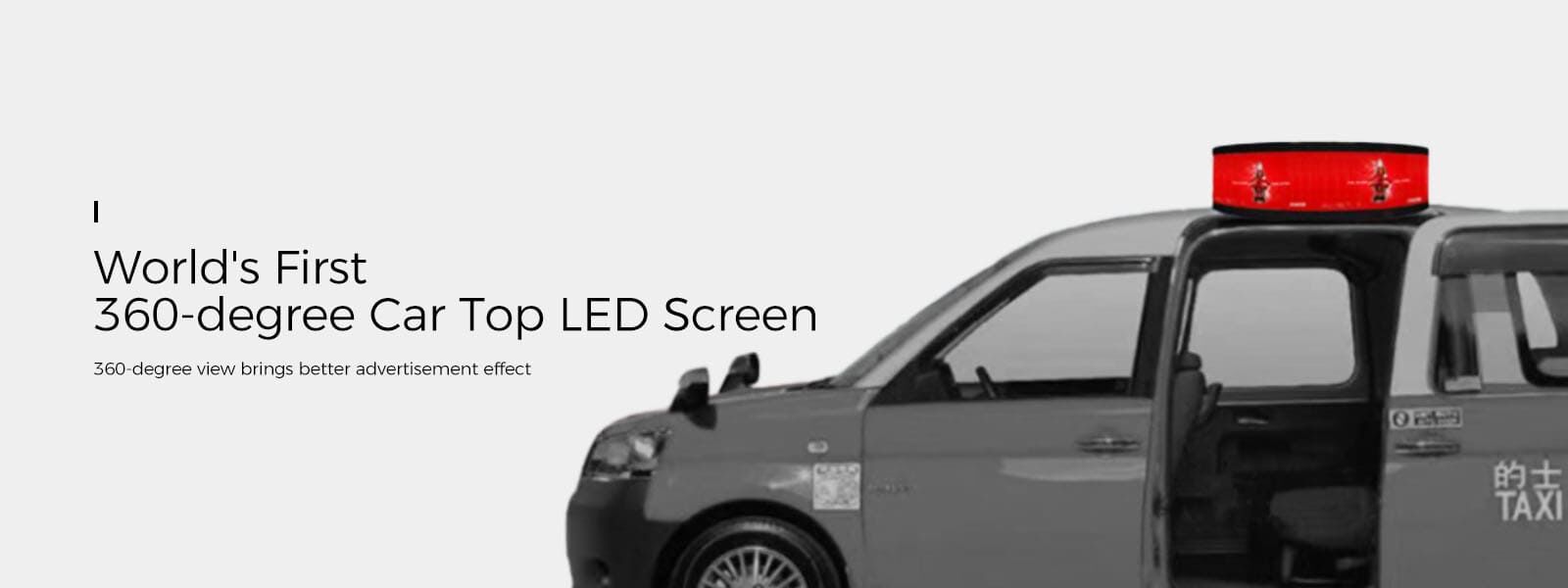
Real-Time Data Synchronization for Dynamic Urban Advertising
Integration of taxi LED displays with smart city technologies for enhanced urban communication
Taxi LED systems process real time info from traffic sensors, weather reports, and event schedules to change messages based on what's happening in the city. Take breakfast time at a conference hotel district for instance the screens might show coffee deals while afternoon traffic jams trigger warnings about alternate routes. The way these taxis adapt makes them pretty effective communication tools. They help businesses reach potential customers right when they need something and also keep people informed about road conditions. For local businesses, this means better targeting of ads. For drivers and passengers, it means fewer surprises when navigating busy streets.
IoT-enabled digital displays as nodes in urban communication infrastructure
The displays act like smart hubs within city networks, sending out anonymous information about how many people are walking around and what speed cars are moving at. This helps city officials make better decisions about traffic and crowd management. When there's bad weather or some kind of emergency situation, these screens switch focus to show important safety messages first, though they still manage to keep showing those paid advertisements that generate income for the operators. Research into city connected devices has shown this approach works well in practice. Because they can move around different locations, these displays cover much more ground compared to fixed installations. That makes them pretty essential parts of any comprehensive system designed to monitor cities and respond effectively to various situations.
Synergy Between Ride-Hailing Platforms and Smart City Advertising Networks
Integration with ride-hailing apps and fleet management systems for coordinated messaging
Connecting taxi roof LED screens to ride sharing apps gives them access to live data about cars on the road, what people need rides for, and how best to get from point A to B through secure connections. The whole setup lets advertisers show their stuff at just the right times based on when most folks are using taxis and where those yellow cabs tend to bunch up. Take restaurants near office buildings as an example they can run special offers during rush hour evenings because around two thirds of all rides happen in business areas after work according to that latest urban mobility study from 2024. Makes sense really if someone wants dinner after getting off the train they might see those ads right there on the taxi heading home.
Leveraging vehicle movement patterns from app data to optimize ad placement
Looking at GPS data collected from around 450k connected cars can pinpoint some really valuable spots for ads. According to research published by Smart Mobility Platforms last year, cabs driving through shopping areas between midday and early afternoon actually get about 27% better memory retention rates compared to regular static ads on buildings. The ability to analyze traffic conditions in real time means advertisers can tweak their messages on the fly too. For instance, when there's a backup forming at highway exits, gas station deals suddenly become relevant to drivers stuck in those queues. These days, sophisticated algorithms are getting pretty good at figuring out what content works best based on factors like sudden rain showers, local events happening nearby, or unexpected changes in public transport schedules. What we're seeing is essentially a transformation where ordinary taxi services are becoming smart digital billboards that adapt to city life as it happens.
Frequently Asked Questions
What are taxi top LED displays used for in smart cities?
Taxi top LED displays are used for urban communication, displaying public service messages, traffic updates, emergency alerts, and advertisements across the city.
How do taxi mounted LED screens contribute to city infrastructure?
The screens collect data on environmental factors like air quality and noise levels, providing city planners with more detailed insights and aiding traffic and emergency response management.
How does GPS-based advertising on taxis work?
GPS-based advertising targets individuals in high-traffic areas by delivering tailored messages relevant to the locations and times, enhancing engagement compared to static billboards.
What are the privacy concerns associated with location-based ad targeting?
GPS data is anonymized to protect identities, and opt-out mechanisms are recommended for data collection, along with encryption protocols to ensure privacy.
How has IoT improved taxi LED displays?
IoT technology enables remote management of display content, real-time data monitoring, predictive diagnostics for maintenance, and adaptive brightness control to minimize light pollution.