 EN
EN
The Evolution of Street Marketing: From Static Billboards to Mobile LED Backpack Displays
From Fixed to Mobile: The Shift in Digital Out-of-Home Advertising
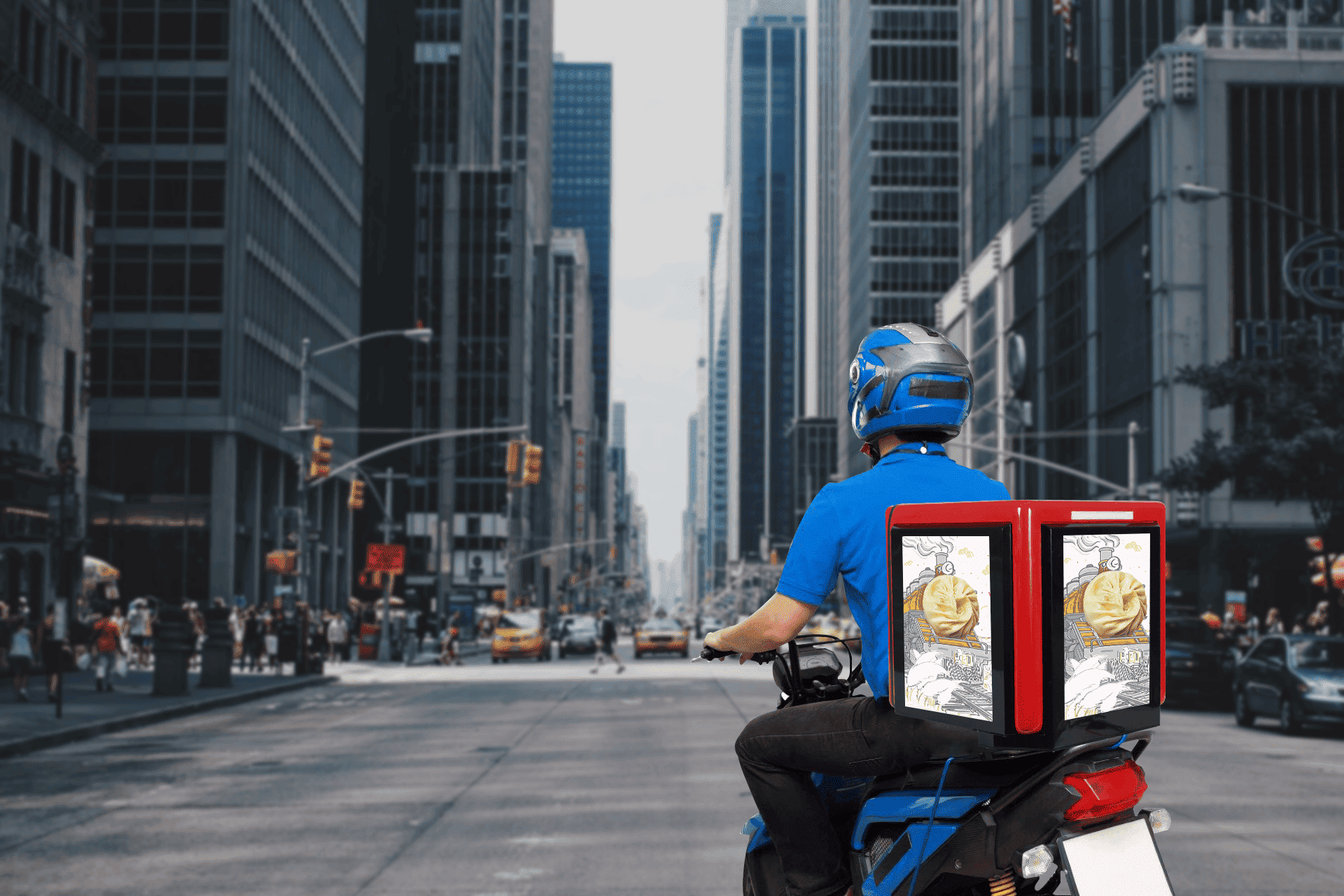
For years, those big old billboards ruled the streets when it came to marketing stuff. But they had one major problem their static nature just didn't grab people's attention very well. Then came digital out of home or DOOH ads, which brought some movement to the game although these were still stuck in place most of the time. Enter LED backpack displays something completely different. These wearable screens combine the benefits of digital tech with actual human movement. People wearing them can push messages across busy city centers while walking around eye level spot where regular signs tend to get lost in the visual noise. A recent 2023 look at how digital ads are changing shows that these mobile DOOH setups actually work better for getting noticed about 47 percent more effective than those old static versions because they move with people and create that sense of being close by.
How LED Backpack Displays Increase Brand Visibility in Urban Environments
In visually saturated cities, cutting through the clutter requires innovation. LED backpack displays succeed through three core advantages:
- 360º Visibility: High-brightness LEDs remain clear even under direct sunlight
- Motion-Driven Attention: Moving carriers naturally attract more gaze than stationary signs
- Contextual Relevance: Operators can target neighborhoods, events, or transit hubs aligned with audience behavior
Pedestrians are 3.2 times more likely to recall brands using mobile light-based ads compared to traditional posters, highlighting their effectiveness in dense urban settings.
Case Study: HXTECH Co.Ltd’s Success with Wearable LED Campaigns in High-Traffic Cities
One major technology company sent out teams wearing LED backpacks throughout busy transit hubs in Tokyo and London, which led to around three times more social media chatter from people passing through those areas. The displays were timed to match actual train schedules, showing helpful travel advice when crowds were at their peak and suggesting fun things to do on weekends otherwise. People actually scanned those QR codes more than 18 thousand times each month according to reports. What this shows is that these kinds of wearable screens don't just grab attention they can turn that attention into real world interactions when messages are relevant to what commuters need right then and there.
Boosting Pedestrian Engagement Through Dynamic LED Messaging and Movement
Why Moving Ads Capture More Attention Than Static Signage
People tend to look at moving lights much more than they do at regular signs. Research from TrueTech Signs back in 2023 showed that motion based LED displays actually catch about 70% more attention than plain old static ones because our brains just naturally spot things that move around. Traditional billboards get ignored a lot these days, but those LED backpack displays stand out in busy areas where everyone else is walking fast. They have all sorts of cool features too, like blinking arrows and texts that scroll across screens. These little tricks really work wonders for getting people to stop and take notice. We've seen folks spend roughly three times longer looking at these displays compared to normal paper posters stuck on walls somewhere.
The Psychology of Light, Motion, and Real-Time Content in Human-Worn Displays
Bright LED colors with high contrast seem to light up the back part of our brains about 30% quicker compared to plain black and white images, which somehow makes people more alert without them even realizing it. Add some real time stuff to these displays, think live countdown timers or constantly updating social media feeds, and suddenly they grab peoples' attention right away because humans just love new things. Moving these displays around strategically works wonders too. We've seen cases where screens that move through crowds or change positions get remembered better after campaigns end, with studies showing around 20 something percent improvement in recall rates according to those pesky follow up surveys everyone hates but marketers live for.
Strategic Placement: Maximizing Impact at Transit Hubs and Crowded Public Areas
| Location | Engagement Lift | Key Advantage |
|---|---|---|
| Subway Entrances | 65% | Captures commuters mid-routine |
| Concert Venues | 82% | Aligns with audience excitement |
| Shopping Districts | 58% | Targets decision-ready shoppers |
Positioning LED backpacks near high-traffic landmarks such as Times Square or Oxford Street leverages natural foot traffic. A single eight-hour shift can generate over 45,000 impressions, according to the 2023 Urban Mobility Report.
Customization and Brand Identity: Designing Impactful LED Backpack Display Content
Tailoring Animations, Logos, and Color Schemes to Reflect Brand Identity
Modern LED backpacks allow precise alignment with brand guidelines, from Pantone-matched colors to animated logo sequences. This level of customization enhances recognition, achieving 83% higher recall in pedestrian studies versus static signage. Consistent visual identity across dynamic content strengthens brand association even in fast-moving environments.
Real-Time Content Updates and Interactive Features for Audience Engagement
Advanced campaigns integrate QR code triggers and motion-sensitive animations to turn passive viewers into active participants. Mobile app control enables real-time adjustments—highlighting time-limited offers during peak hours or adapting messages based on weather. This responsiveness far exceeds the capabilities of traditional print or fixed digital displays.
Integrating LED Backpacks into Broader Event and Omnichannel Marketing Campaigns
When synchronized with social media walls, in-store promotions, and online ads, mobile LED units create seamless cross-channel experiences. A 2024 MarTech report found that omnichannel campaigns using coordinated LED messaging achieve 2.4 times higher conversion rates than standalone outdoor efforts, proving their value in integrated strategies.
Advantages of Mobile LED Backpack Advertising Over Traditional Outdoor Media
Superior Visibility with Bright, Colorful, and Animated LED Messaging
Backpacks with LED displays pack quite a visual wallop compared to regular signs, especially when they show moving images that grab attention in crowded city areas. Some studies indicate people remember digital ads about 47 percent better than those old fashioned paper posters stuck on walls. When we talk about wearable LED tech, it takes things even further by putting these moving advertisements right into the middle of walking crowds. The bright colors stay visible even under harsh sun conditions, something most printed stuff just can't handle before starting to look washed out and faded after a few days outside.
Unmatched Portability and Flexibility Across Events and Locations
LED backpacks are super portable so they can be set up quickly at events like music festivals, temporary markets, or busy transportation spots without needing any special permits or waiting around for installations. What makes them different from regular fixed displays is how flexible they are. They follow where people go throughout the day, starting in office areas during work hours then switching over to bars and clubs when night falls. The ability to move around really boosts how effective ads become. Studies show ads placed on these mobile units get about 60 percent better engagement than those stuck in one spot all day long.
Cost-Effectiveness Compared to Fixed Billboards and Print Campaigns
Switching to LED backpack campaigns cuts costs by around 40 percent compared to old school methods since there's no need for printing anything at all plus we can keep changing the content whenever needed. A single device basically does what would take replacing about 25 regular posters every month, and gets seen roughly eightfold more often during busy hours in places where people actually walk past them. Plus, when companies want to run similar ads on different websites or social media, they don't have to start from scratch each time which saves money in the long run compared to those campaigns stuck relying on printed materials.
Measuring Effectiveness and Navigating Challenges in Real-World Applications
ROI Analysis: Tracking Engagement, Reach, and Conversion Rates
Businesses that have started using LED backpack displays are seeing much better results compared to traditional static billboards. The numbers tell the story pretty clearly actually - around 28% more people engage with these moving displays, and remember them too, with nearly 60% recall rates in busy areas according to the Outdoor Advertising Trends Report for 2023. What makes these displays so effective? Well, modern tech like GPS heat maps and QR code scanning lets advertisers track exactly who sees their ads and what happens next. Take one soft drink company for instance. When they ran an ad campaign in Times Square last year, they managed to boost app downloads by almost 20% simply because they matched their screen content with ongoing special offers at nearby stores. Pretty smart move if you ask me.
Use Cases: Successful Deployments at Festivals, Malls, and Public Events
Coachella 2023 saw something pretty cool happen when brand reps hit the festival grounds with those flashy LED backpacks. People snapped pics and shared them online using animated hashtags, which ended up creating around 6.2 million social impressions total. Pretty impressive for just walking around! Meanwhile in malls across the country, signs that said things like "Flash Sale: Follow Me!" actually cut down on how much stores spent to get new customers. The numbers show these digital displays saved about $13.50 per person interested in what they were selling, way better than old school kiosks. And during city marathons, runners wearing special ads along specific routes managed to catch the eyes of roughly 740,000 spectators as they passed by. These stats from Mobile DOOH Insights 2023 really highlight how versatile this kind of advertising can be, adapting to different environments while still making an impact.
Regulatory and Aesthetic Concerns: Balancing Innovation with Urban Sensibilities
Barcelona and Singapore have started imposing rules on how bright LED screens can be in their historic districts. Meanwhile in Tokyo, digital billboards must pause briefly near train stations when crowds are thick during rush hour. People generally like moving images in ads, but according to a recent study from 2023 called the Urban Marketing Compliance Report, most folks (around two thirds) actually want limits on screen size and brightness so they can walk without being blinded. Companies that adapt by using flexible display setups and sensors that detect crowd levels tend to get better reactions from the public, sometimes as much as 40% more positive feedback. This shows that brands which think about both visibility and responsibility end up building stronger connections with local communities.
FAQ Section
What are LED backpack displays?
LED backpack displays are wearable screens that combine digital technology with human mobility to push messages across busy city centers.
Why do moving ads capture more attention than static signage?
Moving ads tend to attract more gaze due to motion-driven attention, which is naturally more engaging than stationary signs.
How do LED backpack displays increase brand visibility?
They provide 360º visibility, motion-driven attention, and allow for contextual relevance, making them highly effective in dense urban settings.
How cost-effective are LED backpack campaigns?
LED backpack campaigns can cut costs by up to 40% compared to traditional methods due to no printing needs and flexible content updates.
Table of Contents
- The Evolution of Street Marketing: From Static Billboards to Mobile LED Backpack Displays
- Boosting Pedestrian Engagement Through Dynamic LED Messaging and Movement
- Customization and Brand Identity: Designing Impactful LED Backpack Display Content
- Advantages of Mobile LED Backpack Advertising Over Traditional Outdoor Media
- Measuring Effectiveness and Navigating Challenges in Real-World Applications
- FAQ Section