 EN
EN
Why LED Backpack Display Billboards Outperform Static Signage in Crowded Spaces
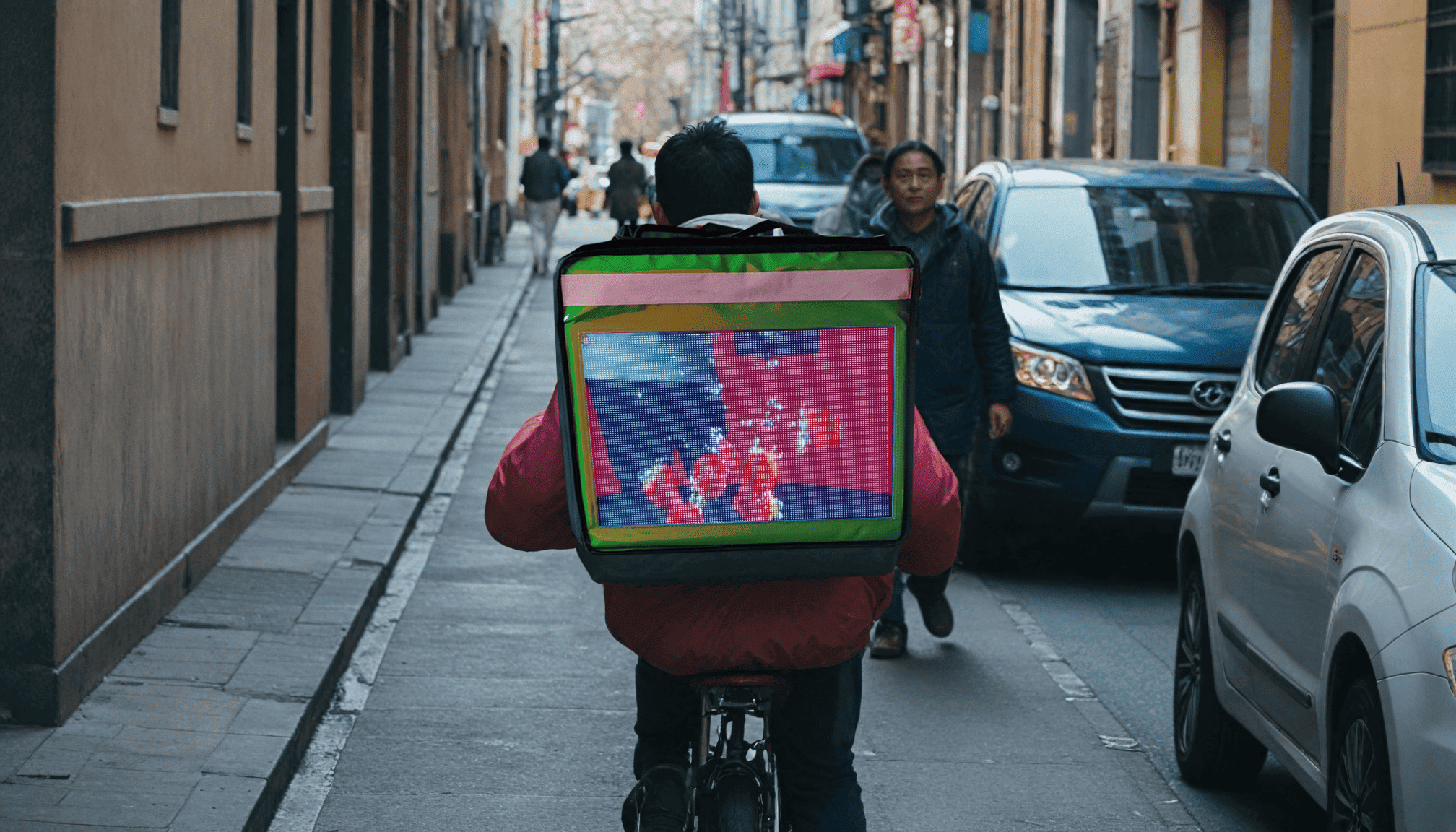
Backpacks with LED screens are changing how cities look like giant advertisement boards, mixing moving parts with bright lights that grab attention. Static posters stuck on walls just can't compete with these moving displays that catch eyes wherever people crowd together, whether it's at train stations or outside concerts. According to some research from last year's Retail Advertising Report, ads that move around get about three times longer looks compared to ones that stay put. The reason? People tend to notice things out of the corner of their eyes when something unexpected catches their attention with those ever-changing patterns.
Wearable displays let advertisers change what they show in real time, which is really helpful for matching up with things like rush hour traffic or sudden weather shifts. Take coffee shops for example. They might want to push cold brews when it's hot outside but switch to espresso shots if it starts raining in the evening. Most do this through some kind of cloud system these days. The latest stuff with LED billboards has gotten pretty amazing too. Brands can now try different ads every single hour and see what works best. According to some recent studies from Outdoor Media Trends back in 2024, this approach actually boosts customer memory of the ads by around 37 percent compared to just showing the same thing all day long.
Case Study: Boosting Brand Visibility at Subway Stations with Wearable LED Displays
A beverage company deployed LED backpack-wearing brand ambassadors across six major metro stations during rush hours, displaying rotating promotions tied to real-time weather data. Over eight weeks, the campaign generated:
| Metric | Result | Industry Benchmark |
|---|---|---|
| Average dwell time | 4.7 seconds | 1.9 seconds |
| QR code scans | 2,100 daily | 480 daily |
| Social media mentions | 14,200 | 3,400 |
Success stemmed from strategic positioning near ticket gates and escalators—areas where commuters naturally pause. By syncing ad transitions with train arrival times (every 2—5 minutes), the brand maintained fresh visibility without overstimulation.
Strategic Deployment of Human-Powered Advertising During Peak Foot Traffic Hours
Maximizing LED backpack ROI requires aligning operations with audience movement patterns:
- Morning commutes (7—9 AM): Position near coffee shops and transit hubs with caffeine deals
- Lunch breaks (11 AM—1 PM): Highlight food specials and limited-time offers
- Evening rush (5—7 PM): Promote entertainment venues and happy hour discounts
A 2024 Urban Advertising Study revealed campaigns that matched content to time and location context saw 68% higher conversion rates. At festivals, wearables perform best near restrooms and food stalls—areas where attendees spend 83% more time waiting versus main stages.
Measuring ROI Through Engagement Metrics Like Dwell Time and Viewer Interaction
Modern LED backpack systems integrate dual-facing cameras and Wi-Fi sensors to track:
- Attention duration: Calculated via gaze-tracking algorithms (minimum 1-second threshold)
- Emotional response: AI analyzes micro-expressions to gauge message effectiveness
- Conversion pathways: QR code scans paired with GPS data show offline-to-online journeys
A luxury watch brand using these metrics optimized their animated content mid-campaign, boosting in-store traffic by 41% versus previous static billboard efforts. Campaigns prioritizing dwell time over raw impressions report 22% higher CLV (Customer Lifetime Value) due to improved message retention (Omnichannel Marketing Review, 2023).
Maximize Event Impact with Real-Time Engagement Using LED Backpacks
Driving Crowd Engagement at Festivals and Trade Shows with Dynamic LED Backpack Displays
Backpack displays with LED screens turn people who just walk by into folks who actually engage during busy events. These aren't your regular standing signs. The mobile versions travel right through the crowd, showing moving images right where eyes naturally look at places packed full of people such as concerts or trade shows. Some research from last year showed something interesting too motion based visuals on these wearable screens grab notice almost three times quicker compared to plain old posters stuck on walls. That makes sense when thinking about all those bustling locations where nobody wants to stop and read anything static.
Live QR Code Promotions on LED Backpacks for Instant Customer Conversion
Putting scannable QR codes in the right spots really connects people's physical experiences with digital content. A recent pop-up event in early 2024 saw something interesting happen when marketers started using QR codes that blinked along with countdown timers for special deals. The scan rate jumped by around 22%, which is pretty impressive considering how short these encounters usually are. What makes this approach work so well is that it transforms those quick glances into actual customer actions like redeeming coupons or signing up for newsletters. Plus, businesses can track where most scans occur on maps in real time, giving them valuable insights about their audience locations without needing complicated setups.
Real-Time Social Media Activation via Animated Hashtags and User-Generated Content
Organizers at events are finding new ways to get attention by putting live social media feeds and attendee posts on those cool LED backpacks. Take last month's tech conference for instance where they used animated hashtags like #PoweredByLED. People were posting nonstop trying to get their stuff shown on those moving displays around the venue. The hashtag alone was getting about 1800 posts per hour during peak times. What makes this strategy work so well is that it doesn't just keep the buzz going inside the event space but also spreads it out into the wider world online. Plus, organizers end up with all sorts of useful information about what topics are actually catching fire among attendees.
Designing High-Impact Content for Wearable LED Display Campaigns
Animating Logos, Slogans, and Offers to Enhance Brand Recall
Moving images boost memory retention around 47% over still pictures according to Nielsen's findings from last year. That makes animated content really important in busy places where people only glance at something for 3 seconds or less. Quick loops lasting about 5 to 8 seconds with floating company logos or changing taglines work wonders for building brand recognition without even being noticed. The industry data shows something interesting too: when it comes to remembering visuals, straightforward geometric changes actually beat complicated animations in memory tests by roughly 22%. Simple is better when trying to stick in someone's mind after just a brief encounter.
Using Video Loops and Motion Graphics to Capture Attention Outdoors
Backpack displays outdoors need roughly three times the brightness of regular indoor screens just to fight off that pesky sun glare. When creating content for these displays, go with colors that really pop against bright backgrounds. Think blues and purples work best since they stay readable even from about fifteen feet away. Some recent tests found something interesting too. Alternating between close up shots of products for two seconds each and short call to action texts lasting just one second actually increased how many people noticed and interacted with the display by around thirty four percent. And don't forget about motion quality either. Most experts now recommend sticking to at least thirty frames per second when showing fast moving visuals so everything looks smooth instead of jarring or causing those annoying strobe effects we all hate seeing.
Balancing Creativity and Clarity: Humor vs. Overstimulation in Wearable Ads
LED backpacks definitely open the door for fun stuff like those meme based ads we've all seen lately. But here's what marketers need to know: when campaigns try to mix three or more visual effects together, viewers tend to lose interest much faster actually about 28% faster according to our tracking data. The best performing funny campaigns? They stick to just one main focus point something simple like a mascot character bouncing around as people walk by combined with plain old static text on screen. Looking at how long people stay engaged shows that short messages around seven words max with only one moving part keep attention spans intact almost 19% longer compared to those complicated multi layer animations everyone keeps trying these days.
Flexible Advertising for Pop-Ups and Seasonal Promotions with Portable LED Backpacks
Promoting Flash Sales and Product Launches in Urban Centers Using Mobile Backpack Billboards
LED backpack displays are changing how cities look as advertising spaces. According to recent studies from Outdoor Media Trends in 2023, around three out of four people remember moving ads better than those stuck on regular billboards. These portable screens work best in crowded places such as busy shopping areas and train stations, since there's just no room for all those old fashioned pop-up stands anymore. When a small group of maybe three to five people wearing these LED packs hit the streets for six hours straight in big city centers, they manage to get seen by over twelve thousand folks each day. That means companies get their message across right when people are rushing for lunch breaks or heading home after work, making these moments golden chances for brand exposure.
Advantages of Rapid Deployment for Time-Sensitive Marketing Campaigns
Unlike fixed billboards requiring weeks of permitting, LED backpack campaigns launch in 48 hours or less—crucial for holiday sales or limited-edition drops. Their modular design enables real-time content updates across multiple units simultaneously, allowing brands to:
- A/B test promotional messages during live events
- Extend flash sale promotions based on real-time inventory levels
- Quickly address counterfeiters at festivals through verified dealer alerts
This mobility reduces activation costs by 60—80% compared to traditional outdoor advertising while tripling content refresh capabilities.
Customizing LED Backpack Displays to Align with Brand Identity
Matching brightness, color, and animation styles to brand guidelines
When LED backpack displays match a brand's colors and brightness levels from their official materials, people tend to recognize the brand about 93% of the time according to the Visual Identity Report from last year. Getting those display settings just right makes sure logos still look like themselves even when outside in bright sunlight or under those intense stadium lights. Take animated ads for instance. When they copy the exact motion graphics approved by the brand itself, folks remember them around 47% better than regular animations flailing around in crowded places like sports events or concerts.
Ensuring consistent brand messaging across multiple locations and events
A 2023 Journal of Marketing study found campaigns using unified branding across locations improved customer loyalty metrics by 29%. Modular LED backpack systems enable marketers to update content simultaneously across all units while maintaining a cohesive aesthetic. This eliminates discrepancies between in-store signage and mobile promotions during multi-city product launches.
Supporting global outreach with multilingual and culturally adapted content
Campaigns targeting specific locations through LED backpacks tend to get around 2.6 times more attention when they incorporate local expressions and visual symbols. Take one soft drink brand for instance, which saw nearly 40% more people stopping during a festival in Tokyo after adding animated kanji characters alongside their regular English taglines. When designing these kinds of ads though, it pays to test different cultural elements first so nobody feels stereotyped. Most folks actually want to see simple icons everyone can recognize rather than jokes that only work in certain regions, especially when there are lots of people around looking at the same thing.
FAQ
What is an LED backpack display?
An LED backpack display is a wearable advertising tool equipped with LED screens to show dynamic content and engage crowds in public spaces.
How do LED backpack billboards differ from static signage?
LED backpack billboards differ from static signage by offering mobility and real-time updates, making advertisements more noticeable and adaptable to changing circumstances.
What kind of events are suitable for LED backpack advertisements?
LED backpack advertisements are suitable for festivals, trade shows, urban centers, and any crowded places where dynamic content can catch audience attention effectively.
How can LED backpack deployments enhance brand visibility?
LED backpack deployments enhance brand visibility by placing brand ambassadors in strategic high-traffic locations, ensuring dynamic and engaging content that resonates with audiences.
What are the benefits of real-time engagement metrics in LED backpack usage?
Real-time engagement metrics help measure the effectiveness of campaigns by tracking viewer interaction, attention duration, emotional response, and conversion pathways.
Table of Contents
- Why LED Backpack Display Billboards Outperform Static Signage in Crowded Spaces
- Case Study: Boosting Brand Visibility at Subway Stations with Wearable LED Displays
- Strategic Deployment of Human-Powered Advertising During Peak Foot Traffic Hours
- Measuring ROI Through Engagement Metrics Like Dwell Time and Viewer Interaction
- Maximize Event Impact with Real-Time Engagement Using LED Backpacks
- Designing High-Impact Content for Wearable LED Display Campaigns
- Flexible Advertising for Pop-Ups and Seasonal Promotions with Portable LED Backpacks
- Customizing LED Backpack Displays to Align with Brand Identity
- FAQ