
 EN
EN
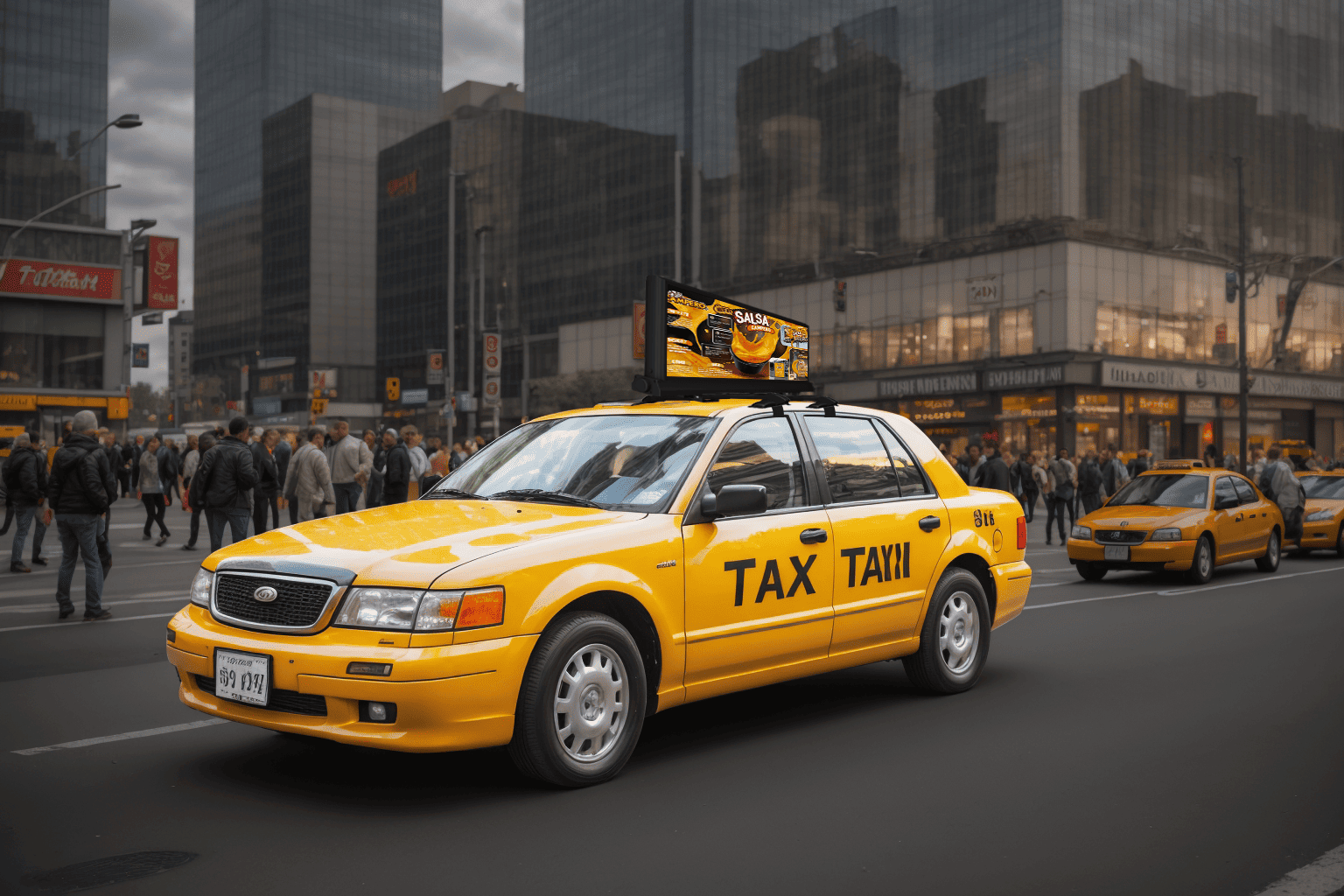
The Evolution and Rise of Mobile LED Displays Advertising in Cities
From Static Billboards to Dynamic Taxi-Top Displays
Urban centers are moving away from traditional static billboards toward mobile LED displays because advertisers need something that keeps up with how city folks actually live these days. Back in the day, those old neon signs might have looked cool but they were a nightmare to maintain and couldn't really change what was shown without sending someone out there with tools. Modern LED tech changes everything though. These new displays let companies update their messages remotely and stand up to whatever weather comes along. Take taxi top advertising for instance. Those rolling billboards get seen by around 15 thousand people every single day just in major metropolitan areas, based on recent transportation research. The combination of full circle visibility plus movement makes them impossible to ignore when driving through busy streets.
How Digital Mobility Is Reshaping Urban Ad Spaces
The rise of mobile LED advertising taps into two big city trends these days. People are spending around three hours each day stuck in traffic according to recent mobility reports, and now GPS tech makes it possible to target ads super precisely. Smart companies have started using artificial intelligence to figure out where taxis should go based on who's likely to see them. Coffee shop ads pop up near business areas when are heading to work in the morning rush, whereas movie theaters and bars get promoted heavily in those same neighborhoods once night falls and people start looking for fun after work.
Case Study: New York City's Taxi Fleet Driving Brand Visibility
A 2023 pilot involving 200 NYC taxis demonstrated mobile LED's impact: local restaurants using geo-fenced ads near subway stations saw 22% higher foot traffic than those relying on static billboards. One bakery chain reported a 14% sales increase after displaying real-time rush-hour promotions.
Why Cities Are Embracing LED Displays on Taxis
Municipalities support taxi LED systems for three main reasons:
- Reduced visual clutter compared to fixed billboards
- Ability to broadcast programmable safety alerts (e.g., amber alerts) during off-peak hours
- Revenue-sharing models where cities earn 15–20% of ad income
Since 2021, 23% of taxi fleets in the top 10 U.S. metros have adopted compliant digital ad platforms, blending urban aesthetics with municipal revenue generation.
Unmatched Urban Visibility and Exposure Through Moving LED Displays
Maximizing Reach in High-Traffic Areas with Mobile Ads
LED screens mounted on top of taxis function like moving advertisements that travel through business centers, malls, and places hosting events. These aren't just stuck in one spot like regular billboards. The numbers tell a different story too - according to Urban Ad Analytics from last year, mobile advertising gets around 4 times more views each day in crowded metropolises such as London or Tokyo. What makes this approach so effective is that it actually puts brand messages right where people are waiting for buses, crossing streets, or walking around busy areas where other forms of advertising simply don't work as well.
Continuous Brand Presence During Peak Hours and Nighttime Economy
Operating 24/7, taxi-top LEDs maintain visibility even when digital billboards dim due to light pollution regulations. A 2023 study by the Digital Out-of-Home Council found nighttime mobile ads achieve 32% higher recall rates, benefiting from illuminated streets and reduced visual competition.
Case Study: Illuminated Taxi Ads Boosting London's Local Businesses
A six-month pilot in London equipped 120 taxis with LED campaigns for local cafes and retailers. Participating businesses reported a 19% rise in same-day website traffic and a 14% increase in store visits, with ads strategically routed near competitor locations during peak commuting times.
Leveraging GPS-Targeted Routes for Strategic Ad Placement
GPS tracking allows advertisers to align taxi routes with real-time traffic, weather, and event schedules. For instance, a transportation study showed that GPS-synchronized ads near concert venues increased promo code redemptions by 27% during arrival windows. This precision minimizes wasted impressions and enhances contextual relevance.
Cost-Effective Advertising for Local Businesses Using Taxi LED Displays
Affordable CPM Compared to Traditional Digital Billboards
Mobile LED campaigns offer 68% lower CPM rates than traditional digital billboards (2024 Urban Advertising Cost Analysis), enabling small businesses to stretch their marketing budgets further. Cloud-based management allows instant content updates without production delays or added costs—a flexibility advantage validated in recent mobility marketing research.
Real-Time Content Updates at a Fraction of the Cost
Campaigns can be modified across entire fleets within minutes, allowing rapid responses to market shifts or weather changes. This agility reduces wasted ad spend by 43% compared to static billboards requiring physical replacements.
Data Point: 37% Average ROI Increase for SMBs
A 2023 industry report revealed that SMBs using taxi LED displays achieved a 37% average ROI increase. The dynamic nature of moving displays contributes to 12% higher recall rates during peak commuting hours, with some vehicles delivering over 50,000 daily impressions in metropolitan areas.
Precision Audience Targeting via Location and Behavior Analytics
Taxi roof LED displays enable precise customer targeting by analyzing real-time movement patterns and behavioral data. This approach outperforms traditional methods by aligning promotional content with consumers' immediate needs and locations.
Hyper-Local Marketing: Reaching Customers Where They Are
With GPS tech, messages can be sent out within about 500 feet around places people care about like busy shopping areas or where big events happen. Some folks who study transportation reported last year that when marketers mix location info with what they know about different customer groups, their ads get way better responses compared to just blasting everyone. The numbers? Something like 42 percent more engagement overall. Take one coffee shop chain for instance they saw their afternoon sales jump nearly 20% after putting up drink promotions close to those workspaces where people take breaks at lunchtime. Makes sense really since nobody wants to miss out on caffeine when stuck at their desk all day.
Using GPS and Big Data to Align Ads with Consumer Behavior
Analytics platforms process vast datasets to identify optimal ad timing—such as serving coffee specials to commuters passing cafés in the morning. Machine learning models integrate historical traffic, weather, and event data to adjust content dynamically, ensuring alignment not just with location but with consumer intent.
Case Study: Chicago Diner Gains 29% More Foot Traffic with Timed Ads
The Johnson family's little eatery downtown started putting lunch deals on taxi roof signs right outside office towers between 11am and 1pm every weekday. They mapped out where most people were driving around during their lunch breaks using some fancy GPS stuff, then timed their ads accordingly. Within just over a month, folks walking through their doors went up nearly 30%. That's actually three times better than what they got spending money on local radio spots. This real world example shows that even modest restaurants can beat bigger competitors these days by getting smart about where and when customers are actually moving around town.
Measuring Impact and Future Trends in Taxi Top LED Advertising
Tracking Impressions, Dwell Time, and Route-Based Exposure
Modern taxi-mounted LED systems deliver measurable results, generating 12,000–15,000 hourly impressions per vehicle in urban centers. Advertisers now track average dwell times of 22 seconds at traffic stops—triple that of static billboards (Market Pulse 2023). GPS analytics enable route refinement, prioritizing high-footfall areas during peak hours for maximum exposure.
Data Point: Over 50,000 Daily Impressions per Taxi in Major Cities
A 2024 study found taxis with roof-mounted LED displays generate 53,400 daily impressions in cities like Tokyo and London—surpassing stationary digital billboards, which average 18,000 impressions/day at four times the cost (Outdoor Ad Trends 2023).
The Future: AI-Driven Ad Placement and Ride-Sharing Integrations
These days machine learning helps figure out the best spots for ads by looking at current traffic conditions, weather updates, and what events are happening around town. The latest Urban Mobility numbers from 2024 show something interesting too. Those fancy LED displays connected to the internet can change their messages based on who's nearby. Think about it waking up early? Suddenly coffee shop ads pop up as people head into work. Some companies are teaming up with ride services now, mixing traditional taxi top lights with screens inside cars. This creates these cool step-by-step experiences where brands can connect with customers at different points during their journeys.
FAQ
Why are mobile LED displays becoming prominent in urban areas?
Mobile LED displays are gaining prominence because they allow advertisers to update messages remotely and withstand tough weather conditions. Furthermore, these displays enable dynamic, eye-catching advertisements that reach thousands daily in metropolitan areas.
What advantages do cities gain by using LED taxi displays?
Cities benefit from reduced visual clutter, the ability to broadcast safety alerts, and revenue-sharing models where they earn a percentage of ad income.
How do mobile LED advertisements compare to traditional billboards?
Mobile LED advertisements typically have a lower cost per thousand impressions (CPM), can update content in real-time, and offer greater reach by moving through high-traffic areas.
What impact do mobile LED ads have on local businesses?
Local businesses often experience an increase in foot traffic and sales due to the targeted and timely nature of mobile LED advertisements.
Table of Contents
- The Evolution and Rise of Mobile LED Displays Advertising in Cities
- Unmatched Urban Visibility and Exposure Through Moving LED Displays
- Cost-Effective Advertising for Local Businesses Using Taxi LED Displays
- Precision Audience Targeting via Location and Behavior Analytics
- Measuring Impact and Future Trends in Taxi Top LED Advertising
- FAQ